
19 Preventable Conditions Behind Ruined Careers
Do you think that in an AI-driven economy that already tracks, or soon will track, every hour you are away from work because of health issues, every dollar employers spend on healthcare, and every misstep you make related to low energy, lack of focus, or memory lapses, your career is going to last when a smart intern with AI has immediate access to much of the knowledge that took you decades to accumulate?
I am not sure it will. When it comes to well-paying jobs, your impressive résumé and past accomplishments are near useless if your body and mind can't repeat them again and again and again and deliver more value to your employer than ChatGPT can.
I am not referring to catastrophic conditions such as cancer, heart attack, or stroke. Those are less common before retirement and, in any case, outside the scope of the approaches I discuss here, although they become more likely if you ignore the basics of prevention covered in other Guides.
A Typical Cascade of Job Performance Decline
Here are the most basic preventable or reversible conditions that end many thriving careers and can happen to anyone at any age.
The first on my list is insomnia, although this can be any other chronic condition that affects your job.
Insomnia leads to daytime somnolence, which is hard to hide at work. Yawning, heavy eyes, slowed reactions, and microsleeps reflect fatigue, poor sleep, or illness. Nobody trusts important work to someone fighting sleep.
The resulting low energy becomes immediately obvious to managers, peers, and subordinates. Whatever the cause, it reduces both the output and quality of your work. You can’t fake energy, even when AI does the work instead of you.
When low energy turns into chronic fatigue unrelated to any serious disorder, the resulting lower productivity, poorer quality, slower thinking, and reduced stamina are no longer possible to hide.
Next is the very common problem of unstable blood sugar, which results in poor energy, focus, mood, and judgment. Peaks and crashes turn a normal workday into alternating bursts and slumps.
Even if you sleep well and are full of energy, it’s hard to work well when experiencing chronic pain from back disorders, migraines, arthritis, muscle injuries, abdominal disorders, or tooth pain. Chronic pain consumes attention and degrades focus, speed, judgment, and memory.
Persistent pain also changes behavior by shortening patience, disrupting sleep, lowering frustration tolerance, and making ordinary workplace pressures harder to absorb.
Then come painkillers, sedatives, muscle relaxants, alcohol, THC, CBD, or other treatments that further impair alertness, cognition, and coordination. Not good for any career or quality of life.
All of the above conditions can lead to lack of emotional control. The slightest criticism feels like a threat, the lizard brain takes over, and you lash out at colleagues, managers, strangers, and family members. When that happens, no job is going to last.
Next come poor focus and concentration, which make you miss details, lose the thread, drift in meetings, and make avoidable errors. Others see it as incompetence, not as a health problem.
They are often accompanied by memory lapses that make you forget names, commitments, instructions, decisions, and details you were expected to retain. Once people stop trusting your memory, they stop trusting your work.
Workplace stress from all of the above conditions and contributing factors is commonly associated with digestive disorders. Bloating, cramps, flatulence, diarrhea, and incontinence create urgency, distraction, embarrassment, and avoidance of meetings, travel, and close contact. Hard to lead from a bathroom.
Next comes chronic constipation, which causes even more bloating, abdominal pressure, pain, poor sleep, distraction, and repeated bathroom problems. Laxatives add urgency, cramping, and diarrhea at work. Maybe not the end of career, but close.
Dealing with so many problems may cause depression, which drains motivation, initiative, energy, concentration, confidence, and social engagement. At work, it often looks like withdrawal, indecision, poor performance, and loss of drive.
A constant fear of job and income loss creates anxiety that turns ordinary decisions into threats. Rumination, hesitation, avoidance, irritability, and second-guessing gradually replace confidence and decisiveness.
At that point, most people seek medical help and start taking prescription medications for insomnia, pain, constipation, depression, and anxiety. Medication side effects can add fatigue, dizziness, brain fog, more memory problems, slowed reactions, mood changes, and poor coordination. Working well in this state is near impossible.
Mind-breaking stress associated with all these problems contributes to cravings and addictions that hijack attention, time, money, sleep, judgment, and impulse control. Once the next drink, drug, meal, or fix becomes more important than the work, performance follows it down the drain.
Equally career-damaging is a haggard appearance caused by poor sleep, chronic stress, dehydration, pain, weight loss, illness, and medications. It makes you look older and weaker. At work, perception matters just as much as actual performance.
This social issue is separate from the previous problems.I am referring to halitosis, or bad breath, which you may not detect yourself. It makes close conversation unpleasant for the wrong reason. People step away from you, shorten interactions, and avoid proximity but are embarrassed to tell you why.
And, finally, the last conditions on my list are undernutrition or outright malnutrition. They can result from restrictive diets, digestive problems, malabsorption, medications, stress-related eating disorders, body dysmorphia, diarrhea, and similar problems.
GLP-1 drugs make the problem worse by suppressing appetite so effectively that people literally starve themselves into poor health and low energy.
The resulting weakness, fatigue, slower recovery, poor concentration, loss of bone and muscle mass, and reduced physical and mental stamina undermine your performance, productivity, appearance, and behavior even more. Good luck keeping a good job with all that.
Those were the 18 functional conditions I referred to in the title. Any one of them can damage a career; several at once will ruin one.
The Guide to Guides to Keep Yourself Out of Trouble
Now let’s turn this list into a practical roadmap. I will match each condition with the Guide that addresses it, so you can go directly to the material most relevant to you:
1. If you suffer from insomnia or poor-quality sleep, start with my Guide How to Get Better Sleep.
 You should study it because “insomnia and poor sleep damage careers, income, appearance, reputation, relationships, and your health by causing accidents, depression, anxiety, dementia, heart disease, stroke, diabetes, obesity, systemic inflammation, cancers, premature aging, and mortality from all causes.”
In this Guide, I analyze 15 nutritional deficiencies behind insomnia and explain how to correct them.
The financial cost of poor sleep is enormous. A RAND analysis estimated that insufficient sleep costs the U.S. economy between $280 billion and $411 billion annually through lost productivity and premature mortality, while eliminating about 1.2 million working days each year [link].
2. If you suffer from low energy or chronic fatigue, start with my Guide How to Restore and Protect Your Energy Metabolism.
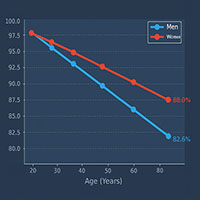 You should study it because “age-related energy decline isn’t inevitable. Some people retain normal mental and physical energy well into their fifties, sixties, and beyond. The Guide explains how to restore and protect the metabolism that produces that energy.”
In this Guide, I analyze 11 myths and misconceptions about energy metabolism that ignore the real causes of low-energy problems and keep you from understanding what is actually going wrong.
Fatigue carries an enormous workplace cost of its own. A national study of U.S. workers estimated that employees with fatigue generated $136.4 billion annually in health-related lost productive time, about $101 billion more than workers without fatigue [link].
3. If you experience unstable blood sugar, start with my Guide How to Normalize Unstable Blood Sugar.
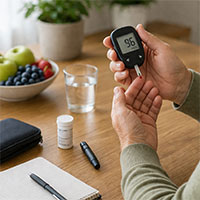 You should study it if repeated efforts to normalize elevated blood sugar have failed, because this Guide explains the nutritional and metabolic factors behind prediabetes and type 2 diabetes and how to address them.
In this Guide, I explain 14 natural ways to normalize blood sugar and eliminate a state known as insulin resistance, and cite medical research that confirms them.
The financial consequences become particularly visible once abnormal glucose levels reach diagnosed diabetes. The American Diabetes Association estimated that diagnosed diabetes cost Americans $412.9 billion in 2022, including $306.6 billion in direct medical costs and $106.3 billion in lost productivity and other indirect costs [link].
4. If you suffer from chronic pain, start with my Guide How to Prevent or Recover from Chronic Pain.
 You should study it because “chronic pain alters far more than physical comfort. It can affect sleep, mood, motivation, relationships, behavior, aging, and dependence on alcohol, drugs, and pain medications.”
In this Guide, I outline 32 lifestyle-related factors behind chronic pain and provide very specific suggestions on how to correct them.
Chronic pain is exceptionally expensive condition. A national analysis estimated its economic cost in the United States at $722.8 billion in 2021, including $530.6 billion in additional medical expenditures and $192.2 billion in lost work productivity. That averages more than $8,000 in additional medical expenses and nearly $3,000 in lost productivity per affected adult each year [link].
5. If you have difficulty controlling your emotions, start with my Guide How to Control Your Emotions at Home and at Work.
 You should study it because "Emotional instability isn’t simply a character defect. Diet, lifestyle, sleep, metabolic problems, medications, and medical care can profoundly affect how you react to stress and other people."
In this guide I describe 35 nutrition- and lifestyle-related triggers of negative emotions that you should eliminate and provide 14 actionable suggestions to strengthen your emotional stability.
Poor emotional control isn’t tracked as a separate national cost category, but the closely related workplace burden of psychological distress is substantial. A 2026 CDC/NIOSH study using 2021 national data estimated that psychological distress cost U.S. employers $90.1 billion to $118.2 billion annually in absenteeism and reduced productivity while at work. That estimate did not include additional costs from injuries, turnover, disability claims, or early retirement [link].
6. If poor focus and concentration are affecting your work, start with my Guide How to Restore and Protect Your Energy Metabolism.
 You should study it because "Your brain is one of the body’s largest consumers of metabolic energy. When energy metabolism deteriorates, sustained attention, concentration, mental stamina, and the ability to perform demanding cognitive work deteriorate with it."
In this Guide, I explain how declining energy metabolism leads to brain fog, poor focus, slower thinking, and loss of motivation. Then, I identify the nutritional deficiencies that contribute to these problems.
In a study of more than 3,200 employees at a major U.S. manufacturer, health-related absenteeism and distraction cost the company about $300 million annually. 93.6% of that productivity loss came from distraction while employees were at work, not from absenteeism [link].
7. If you experience memory lapses, start with my Guide How to Prevent Memory Loss and Dementia.
 You should study it because "Memory decline becomes increasingly common with age. This Guide examines preventable nutritional, metabolic, lifestyle, and treatment-related factors that can contribute to deterioration of memory and cognition."
In this Guide, I identify 38 potential causes of memory loss and dementia, including 27 nutrition-related factors, and explain which are preventable, reversible, and nutrition-related.
The financial consequences of memory decline are staggering. The Alzheimer’s Association projected that care for Americans with Alzheimer’s disease and other dementias would cost $384 billion in 2025, not counting unpaid care. Family members and friends provided another 19.2 billion hours of unpaid care valued at $413 billion [link].
8. If bloating and flatulence interfere with your work or social life, start with my Guide How to Fix Bloating and Flatulence.
 You should study it because "Bloating and flatulence are visible, painful, audible, and unpleasant. That combination can become a serious problem at work, in social situations, on dates, and around other people."
In this Guide, I explain why intestinal gas becomes trapped, identify 13 common and often-overlooked causes of enteritis behind chronic bloating and flatulence, and outline specific steps to correct them.
There is no national cost estimate for bloating and flatulence alone, but irritable bowel syndrome provides a useful proxy of their financial burden. A recent U.S. claims analysis found median annual healthcare costs of $13,288 for people with IBS [link].
9. If chronic constipation is affecting your daily life, start with my Guide Top 21 Causes Behind Chronic Constipation, IBS, Enlarged Hemorrhoids, and Diverticular Disease.
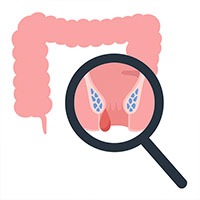 You should study it because "Constipation often begins with minor irregularity, bloating, straining, incomplete emptying, and occasional laxative use. Those seemingly minor problems can gradually progress into much more serious colorectal disorders."
In this Guide, I’ll walk you through the top 21 causes behind chronic constipation, from diet, bowel habits, and pelvic-floor dysfunction to medications, stress, and underlying medical conditions. The other conditions in the title stem from chronic constipation.
Constipation is surprisingly expensive. Older U.S. estimates placed the cost of diagnostic testing for constipation alone at approximately $6.9 billion annually, before treatment costs were added. A later commercial insurance analysis found that chronic constipation was associated with an additional $3,508 in healthcare costs per patient each year [link].
10. If depression or anxiety is undermining your performance, the already mentioned Guide How to Control Your Emotions at Home and at Work is equally relevant.
You should study it because the Guide explains how the deficiencies of essential nutrients contribute to depression and other changes in mood and cognition.
It also covers blood-sugar fluctuations, sleep loss, stimulants, alcohol, medications, and other factors that can intensify anxiety, irritability, and emotional instability.
Major depression alone carries an enormous economic burden, even before anxiety is counted separately. A national analysis estimated that major depressive disorder cost the United States $333.7 billion in 2019, equivalent to $382.4 billion in 2023 dollars. Only $127.3 billion represented healthcare costs. Most of the remainder came from lost productivity, unemployment, disability, mortality, and effects on other members of the household [link].
11. If bad breath related to deteriorating oral health affects your interactions with other people, start with my Guide The Oral Care Routine Dentists Wish Their Family Members Had Followed Before Losing Their Teeth.
 You should study it because bad breath is often a symptom of deteriorating oral health, especially bacterial buildup on the tongue and in gum pockets.
In this Guide, I outline a practical oral-care routine for reducing bacterial load, preventing cavities and gum disease, eliminating halitosis, and protecting your teeth and gums for life.
The second relevant Guide is How to Prevent Dry Mouth From Damaging Your Teeth and Gums.
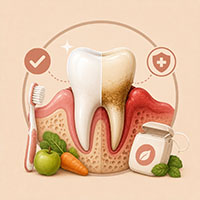 You should study it because dry mouth is one of the most common and overlooked causes of bad breath, gum disease, tooth decay, speech problems, and discomfort during prolonged conversation.
In this Guide, I identify 43 causes of dry mouth, including medications, high blood sugar, stress, dehydration, mouth breathing, alcohol, caffeine, smoking, and salivary-gland problems, and explain how to identify and correct the factors that apply to you.
Oral disease is expensive long before someone needs dentures or implants. The CDC reports that dental care costs Americans about $136 billion annually, while untreated oral disease causes nearly $46 billion in lost productivity every year [link].
12. If medication side effects are affecting your performance, start with my Guide How to Prevent Death or Harm From Medical Errors.
 You should study it because "Treatment-related harm includes diagnostic mistakes, hospital-related complications, adverse drug reactions, and hospital-acquired infections. Medications themselves can sometimes create problems as consequential as the conditions they were intended to treat."
In this Guide, I break down the four major sources of preventable medical harm: diagnostic errors, hospital-related complications, adverse drug reactions, and hospital-acquired infections, and explain how to reduce your exposure to all four. I also explain why AI may increase overtreatment, overprescribing, and the risk of medical errors rather than eliminate them.
Medication-related harm also has a measurable price tag. The U.S. Department of Health and Human Services estimates that adverse drug events cause approximately 1.5 million emergency-department visits and 500,000 hospitalizations each year, resulting in about $3.5 billion in excess medical costs. These figures cover adverse drug events, not the much larger total economic burden of all medical errors [link].
13. If cravings or addictions are controlling your energy, behavior, or judgment, start with my Guide How to Restore and Protect Your Energy Metabolism.
I already mentioned this twice in connection to low energy, concentration, and focus, but it is also directly relevant to cravings and addictions.
I explain inside why caffeine, nicotine, alcohol, sugar, amphetamines, and other stimulants can create a repeating cycle of temporary stimulation, energy depletion, and renewed craving, and also why withdrawal symptoms can mimic low energy itself, which makes the cycle harder to recognize and break.
Addictions extract much of their financial toll through lost earning capacity. A national analysis estimated that substance use disorders caused $92.65 billion in productivity losses in 2023 from inability to work, absenteeism, reduced productivity while working, and lost household productivity. That figure doesn’t include the full healthcare, criminal justice, accident, and mortality costs associated with addiction [link].
14. If you look chronically tired, haggard, or older than your age, start with my Guide How to Prevent Premature Aging of Your Face.
 You should study it because "Premature facial and skin aging can reflect nutritional deficiencies and other internal problems. The Guide explains how those factors affect visible aging and how appearance can be protected from the inside out."
Inside, I trace fine lines, dull skin, sagging, age spots, thinning lips, and loss of facial volume to specific nutritional, metabolic, dental, hormonal, and digestive factors, and explain which of them you can prevent or correct.
There is no credible national estimate for the economic cost of looking prematurely aged, but Americans clearly spend heavily trying to reverse it. The Aesthetic Society reported that Americans spent more than $11.8 billion on surgical and nonsurgical aesthetic procedures in 2022 alone. Obviously, not all of that spending was related to premature aging, but much of the enormous cosmetic-treatment market exists because people are willing to spend substantial amounts to look younger and healthier [link].
15. If you suffer from undernutrition, malnutrition, or suspected nutritional deficiencies, start with my Guide How to Identify Nutritional Deficiencies Behind Most Physical and Mental Disorders.
 You should study it because "Nutritional deficiencies can progressively affect physical health, mental function, energy, appearance, recovery, and aging even while a person continues consuming a presumably adequate modern diet."
In this Guide, I walk you through deficiency patterns for 13 essential vitamins and show how early signs such as fatigue, irritability, poor sleep, mental fog, hair thinning, dry skin, frequent infections, and muscle cramps are often mistaken for stress or aging. I also explain how aging and common medications can make these deficiencies worse.
Malnutrition is particularly costly among older Americans, the same population most vulnerable to age-related nutritional deficiencies. Published estimates place the annual economic burden of disease-associated malnutrition among Americans aged 65 and older at approximately $51.3 billion. Across the broader U.S. population, earlier research estimated the total economic burden of disease-associated malnutrition at approximately $157 billion annually [link].
Those are just 15 Guides directly related to conditions that affect job performance, out of more than 60 guides, articles, and reports on the site, plus dozens of articles on functional colorectal disorders.
The remaining Guides cover weight control, hypertension, osteoporosis, eye health, acid reflux, hydration, infection prevention, digestive problems, and other health-related issues. These are all slow-burning conditions and don’t have the same direct and immediate effect on your career as the 17 conditions discussed at the beginning of this essay.
Following those common-sense guides will gradually transform your wellbeing with corresponding improvements in your job performance and career opportunities.
Author’s note
Other than health insurance, a few dental appointments to patch up minor damage from my thirties and forties, and one appointment with a podiatrist after dropping a heavy lid on my foot to check out the damage, I spent exactly zero dollars and zero cents on healthcare in the last 10 years. The same is true of my wife, Tatyana, who is also 71 as of September 2026.
We both work full time. Tatyana manages this site and store, while I continue my research and writing work for it. I also run a software company that develops contact management software for senior executives and their assistants.
And I am not just a figurehead CEO with spare time on my hands. I am a full-time project manager and designer of the entire platform. Running a project of this size and scope continuously since 2017 requires a level of mental and physical capacity that very few people in my age group can maintain.
So what do we do to stay in this shape and maintain this earning capacity?
We follow the principles and rules that I have developed since publishing my first book about functional nutrition in 2000 and continue to develop through my other books and work on this site. I discuss this journey in great depth in the Why Should You Trust Me and My Journey From Hell to Well essays.
Many Americans aren't that lucky. Recent estimates indicate that nearly one-third of working-age Americans carry medical or dental debt, with total medical debt in the United States estimated at more than $220 billion. About 14 million adults owe more than $1,000, and roughly 3 million owe more than $10,000.
Among people with medical debt, 41% report using up some or all of their savings, while nearly 40% cut spending on necessities such as food, heat, or rent.
Estimates of medical bankruptcies vary because there is no official court category for them, but some recent analyses place the number at roughly 460,000 cases per year.
That is why studying and following my guides is also about protecting your income, savings, credit, retirement, and everything else you spent decades building.
Please share this guide with your partner, adult children, friends, and associates who may benefit from it.
***
If this free guide gave you insight into a topic rarely covered by mainstream medical media objectively and in similar depth, that’s no accident. I work independently and have no financial ties to pharmaceutical companies, hospitals, or institutional sponsors.
That independence allows me to present the facts without having to serve anyone’s agenda. If you find this approach valuable for your well-being, the best way to support my work is by sharing this article with others.
Every repost, forward, or mention helps amplify the reach and makes future work like this possible. Thank you for taking the time to read and for supporting my work!