
How to Prevent or Recover from Chronic Pain
There is nothing more life-altering and depressing than chronic pain. It also ages you faster than almost anything else, destroys marriages and relationships, alters your character, kills motivation, ruins sleep, and can lead to all kinds of self-destructive behavior involving alcohol and drug abuse.
I have been through all of these experiences, but luckily, I was able to recover, and I am well-equipped to share how I recovered from chronic pain and kept my sanity, health, family, and career intact.
The absence of pain, chronic or sporadic, is one of the most remarkable aspects of my aging. The same is true for my wife. This is something I didn't expect, based on my experience with relatives, friends, associates, and clients. Most of the people in my life were routinely popping pain pills to quell this or that ache, and I expected the same.
According to the U.S. Centers for Disease Control and Prevention (CDC):
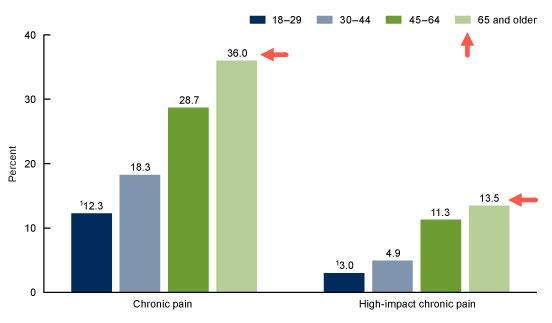
"In 2023, 24.3% of adults had chronic pain, and 8.5% of adults had chronic pain that frequently limited life or work activities (referred to as high-impact chronic pain) in the past 3 months." [link]
Together, that's 32.8%, or every third adult. By age 65, according to the same source, that number grows to 36.0% and 13.5%, respectively, or 49.5%, nearly every second adult.
There are three ways to look at it:
It's merely dumb luck reserved for middle-class Americans in white-collar occupations with a decent upbringing.
It's an outcome of my work on preventing premature aging and chronic diseases since the early 2000s.
All of the above.
In our case, it's all of the above because #1 prevented us from trauma and premature wear and tear related to physical work. The second, thanks to my work, helped us avoid getting hit with inflammatory chronic conditions typical for our age group that are behind most causes of pain.
And, interestingly, another 50% of Americans in our age group are pain-free as well, so chronic pain isn't an inevitable part of aging and is preventable and avoidable even if you don't have a similar background.
Still, if you follow the same simple steps that we took to reach our age, 71 in the spring of 2026, you too can attain similar results.
If you are already affected by chronic pain or high-impact chronic pain, reading this material is also a good way to start the path to recovery. Recovery is very likely, especially if you are still in your forties, fifties, or early sixties.
So what do we do differently to stay pain-free?
Lifestyle-related factors of chronic pain
Lifestyle-related prevention starts with reducing the physical and behavioral causes, such as traumatic injuries, repetitive strain, alcohol- and drug-related accidents, prolonged stress, inactivity, muscle loss, stiffness, and poor movement habits.
The main goal here is to keep your body strong, mobile, stable, and coordinated while avoiding damages that may turn into chronic pain:
Focus on preventing traumatic injuries and repetitive physical damage related to high-impact sports, such as tennis, running, basketball, soccer, skiing, pickleball, heavy weightlifting, aggressive gym routines, martial arts, and other activities that place sudden or repetitive stress on the spine, knees, hips, shoulders, ankles, and feet.
Keep work habits from producing chronic strain on the spine, neck, shoulders, hips, knees, ankles, feet, wrists, elbows, and hands. This means avoiding prolonged sitting, standing desks, awkward bending, computer work with an unsupported back, repetitive typing or mouse-clicking, heavy lifting from poor positions, kneeling on hard surfaces without knee pads, working overhead for too long, twisting under load, and doing household or repair work in cramped positions without breaks.
Stay active to preserve circulation, mobility, and lung function, to maintain endurance, support tissue repair, prevent stiffness, reduce deconditioning, and keep ordinary activities from becoming physically stressful.
Eliminate alcohol abuse, recreational drugs, opioids, cannabis, and other intoxicants because they can lead to loss of balance, reckless behavior, drunk-driving accidents, backward and forward falls, and neurological damage that increases the risk of injuries, chronic pain, impaired coordination, and long-term disability. Getting rid of these addictions isn't easy, so it's best to avoid them in the first place.
Maintain muscle mass and strength, flexibility, and range of motion to protect joints, stabilize the spine, preserve balance, reduce stiffness, prevent falls, and keep everyday movements from turning into sources of chronic strain or injury.
Avoid persistent psychological stress that can amplify stiffness, pain perception, and inflammation because chronic stress stimulates the secretion of stress hormones that keep the nervous system overactivated, disrupt sleep, increase muscle tension, and make ordinary aches feel more severe and harder to recover from.
Disease- and treatment-related factors
This category includes chronic diseases, inflammatory conditions, medications, procedures, and healthcare-related complications that can contribute to chronic pain. The goal is to prevent or control the underlying conditions that damage nerves, joints, muscles, blood vessels, connective tissues, and avoid unnecessary medical interventions and errors that can add new problems.
In practical terms, this means avoiding diabetes, chronic inflammation, autoimmune joint disease, long-term dependence on painkillers, medication side effects, unnecessary treatments, and chronic infections or inflammatory triggers from dental, gastrointestinal, or respiratory problems. The less damage your body accumulates from disease and treatment, the lower the chance of you ending up with persistent pain:
Avoid diabetes and nerve damage to preserve sensation, circulation, balance, muscle control, and tissue repair and to reduce the risk of burning, tingling, numbness, foot pain, falls, ulcers, and chronic neuropathic pain.
Avoid chronic systemic inflammation to reduce irritation and damage in joints, muscles, tendons, nerves, blood vessels, and connective tissues, and to lower the risk of persistent aches, stiffness, swelling, fatigue, and pain amplification.
Avoid autoimmune and inflammatory joint disease to prevent progressive joint damage, loss of function, deformity, flare-related pain, and long-term dependence on anti-inflammatory drugs or painkillers.
Avoid long-term dependence on painkillers that mask the causes instead of preventing damage, allowing additional injuries, more inflammation, and further disease progression because they cover up pain and injury signals.
Avoid unnecessary surgeries and procedures that can leave scar tissue, nerve irritation or chronic pain, and may create new mechanical problems that are difficult or impossible to reverse.
Avoid/minimize/deprescribe unnecessary prescription drugs that compromise balance, vision, alertness, coordination, reaction time, muscle control, blood pressure stability, or mental clarity.
Maintain a healthy, low-risk, low-impact lifestyle to reduce avoidable interactions with the healthcare system and lower the risk of medical errors, complications, permanent disability, and long-term dependence on drugs.
Treat dental issues, gut problems, and upper respiratory conditions before they become chronic because all of them cause hidden inflammation that gradually cascades to more pain-prone parts of the body, such as joints and ligaments.
Maintain balance and coordination to prevent falls, fractures, head injuries, joint trauma, soft-tissue damage, loss of mobility, fear of movement, and the long-term pain and disability that often follow serious falls.
Maintain adequate sleep to support structural metabolism, stabilize mood and pain perception, maintain balance and coordination, and lower the risk of fatigue-related falls, accidents, and injuries that lead to chronic pain.
Protect blood circulation to ensure that muscles, bones, joints, nerves, blood vessels, and connective tissues receive the oxygen, energy, and nutrients they need, while removing metabolic waste, inflammatory byproducts, and damaged cellular material that can contribute to stiffness, tissue irritation, slow healing, and chronic pain.
Avoid age-related nerve damage to preserve sensation, balance, coordination, muscle control, reflexes, and pain regulation and to reduce the risk of numbness, tingling, burning pain, falls, injuries, and chronic neuropathic pain.
Nutrition-related factors that affect structural metabolism
Structural metabolism is the process of converting nutrients into the components your body uses to renew muscles, bones, joints, nerves, blood vessels, and connective tissues.
This process runs alongside energy metabolism, which converts nutrients into the energy your body uses to generate heat, movement, organ function, cellular activity, and tissue repair and renewal.
This category covers the nutrients required to preserve tissue integrity, repair daily wear, control inflammation, maintain muscle and bone strength, and protect nerves and blood vessels.
Chronic pain often develops when mechanical stress, inflammation, aging, and poor repair capacity overcome natural defenses. Nutrition alone does not eliminate all pain risks, but poor nutrition makes your body less resilient to cumulative damage and aging.
In practical terms, this means maintaining adequate intake of protein, minerals, vitamins, essential fatty acids, and fluids. It also means avoiding nutritional factors that promote obesity, diabetes, inflammation, muscle loss, poor circulation, bone loss, and other causes of reduced structural metabolism.
These factors are the area of my primary expertise and one of the least known, least studied, and least promoted aspects of chronic pain prevention. They deserve more of your attention because even an excellent lifestyle and low exposure to disease- and treatment-related risks cannot fully protect your body if it lacks the nutrients needed to maintain its structures, repair daily wear, and preserve normal function.
Here are the most prominent areas to focus on:
Control age-related hunger and appetite to prevent overeating and weight gain. This reduces mechanical load on the joints, spine, knees, hips, and feet, and lowers the risk of prediabetes and diabetes associated with weight gain.
Provide all biologically essential vitamins, minerals, and microelements that the body cannot synthesize by itself to support structural metabolism, nerve function, muscle contraction, bone strength, collagen formation, immune control, circulation, energy production, tissue repair, and protection from chronic inflammation, stiffness, weakness, and pain.
Maintain adequate protein intake to preserve muscle mass, connective tissue, immune function, enzyme production, tissue repair, and normal structural metabolism.
Maintain adequate essential fatty acids intake to support cell membranes, nerve function, immune regulation, vascular health, and normal inflammatory control.
Maintain adequate hydration to support circulation, joint lubrication, digestion, kidney function, waste removal, and normal muscle and connective tissue function.
Maintain healthy digestion and absorption to ensure that nutrients are actually absorbed, especially protein, minerals, fat-soluble vitamins, B vitamins, and essential fatty acids.
Maintain normal stomach acid and bile flow to support protein digestion, mineral absorption, fat digestion, and absorption of fat-soluble vitamins A, D, E, and K.
Avoid excessive sugar and refined carbohydrates to reduce insulin secretion, glycation, inflammation, weight gain, vascular damage, and diabetes-related nerve injury.
Maintain stable blood glucose to protect nerves, blood vessels, connective tissue, eyesight, kidneys, circulation, and tissue repair capacity.
Avoid chronic caloric restriction or crash dieting because it can contribute to muscle loss, weakness, bone loss, fatigue, poor tissue repair, and rebound weight gain.
Maintain adequate collagen-supporting nutrients such as protein, vitamin C, copper, zinc, and manganese to support connective tissues, tendons, ligaments, cartilage, skin, and blood vessels.
Maintain a steady intake of bone-supporting nutrients such as protein, calcium, magnesium, vitamin D, vitamin K, phosphorus, boron, and trace minerals to reduce structural fragility and fracture risk.
Maintaining nerve-supporting nutrients such as B-complex vitamins, magnesium, essential fatty acids, and antioxidants to support sensation, coordination, pain regulation, and peripheral nerve function.
Avoid nutritional deficiencies caused by medications because some common drugs can deplete or interfere with the absorption of magnesium, B12, folate, CoQ10, vitamin D, and other nutrients relevant to muscle, nerve, and tissue function.
How did I accomplish all of the above?
I realize that these 32 lifestyle, medical, and nutritional factors are a handful and may seem like a mission impossible. And, yes, they are, if you decide to implement them as soon as yesterday.
But that is not the goal. In my own case, I addressed all of the above factors gradually over the past three decades, and all of them are already detailed in my guides and throughout the rest of this site.
If you ask me which factors are the most important and which ones I started with, here are the top three that, on their own, led to all the others:
Provide the body with essential nutrients so it has the protein, vitamins, minerals, trace elements, essential fats, and digestive capacity required to preserve muscles, bones, joints, nerves, blood vessels, and connective tissues.
Without implementing and sustaining this factor first, nothing else will work properly. If you are underweight, this point is even more important because being underweight can be one of the signs of malnutrition.
That is what helped me recover from late-stage type 2 diabetes, normalize my weight, and stay free of chronic disease and medication for the past thirty years. The same is true for Tatyana. Her only chronic condition back then was kidney stones, and they have never returned since her last relapse in the mid-1990s.
Recommended Guides:
How to Identify Nutritional Disorders
Control hunger, appetite, and weight gain to reduce the mechanical load your body needs to carry and lower the risk of inflammation, excessive insulin, prediabetes, diabetes, circulation problems, mobility loss, and medication exposure.
This is not something that will happen overnight. Strong hunger, cravings, and excessive appetite are lesser-known symptoms of undernutrition and malnutrition because they are basic instincts and the body's way of telling you that it is missing essential nutrients.
For city dwellers who sustain their bodies on supermarket foods and bottled or processed water, lifelong supplementation may be the only practical way to compensate for missing nutrients, reduce cravings and hunger, and normalize appetite.
That is how Tatyana and I were able to reduce our nonstop eating and grazing, from sit-down breakfast, lunch, dinner, and snacks in between to just one meal for Tatyana (except for a cup of coffee with heavy cream and around 50 grams of butter), dinner, and one small lunch plus the same dinner for me, without Ozempic or any other mind-breaking effort.
Recommended Guides:
Konstantin, What Do You Eat and Why?
Preserve mobility, balance, and low-impact activity to maintain strength, flexibility, coordination, circulation, lung function, and everyday physical independence without creating unnecessary strain or injury.
This means walking regularly, using stairs when appropriate, stretching gently, maintaining full range of motion, practicing balance during ordinary activities, avoiding prolonged sitting, and staying active around the house.
Thanks to gravity, that is how our ancestors maintained their bodies before gyms, Instagram, and YouTube. And that is also how my wife and I have stayed in reasonably good shape for the last three decades.
Recommended Guides:
Once these three foundations are in place, the other factors become easier to recognize and address. That is why I don't view the prevention of chronic pain as a one-off task, but as the outcome of a lifelong effort to keep your body nourished, healthy, flexible, at a normal weight, drug-free, and protected from avoidable harm.
Author's note
This article is based on my own experience recovering from chronic pain and staying pain-free into my seventies, and applying the prevention principles I have used for decades in my writing on premature aging, chronic disease, digestion, metabolism, and nutritional deficiencies.
In my own case, it was back pain, carpal tunnel syndrome, and knee pain that prevented me from walking during the period from 1996 to 1998. Those conditions were the outcome of undiagnosed late-stage diabetes, and I describe them in more detail on my bio page, About Konstantin Monastyrsky.
After recovering from the above conditions, I initially thought that I had gotten lucky. But after I started writing extensively about my recovery, I realized it wasn't luck, but a steady and holistic system of keeping chronic disease at bay.
This article is a continuation of my life's work, and except for having medical education, immense curiosity, unbreakable optimism, a knack for writing, and a wonderful wife, nothing else about it was luck.
***
If this free article gave you extra insights into a topic rarely covered by mainstream medical media objectively and in similar depth, that's no accident. I work independently and have no financial ties to pharmaceutical companies, hospitals, or institutional sponsors.
That independence allows me to present the facts without having to serve anyone's agenda. If you find this approach valuable for your well-being, the best way to support my work is by sharing this article with others.
Every repost, forward, or mention helps amplify the reach and makes future work like this possible. Thank you for taking the time to read and for supporting my work!