
Konstantin, What Do You Eat and Why?
The most common question I get from people interested in my work is what I eat and why. Until recently, I have been reluctant to share exact details about my diet because the 'repeat-after-me' approach isn't likely to work for everyone as well as it does for me unless you are a man of similar age, weight, height, health, occupation, ethnicity, and lifestyle.
But I finally decided to break the silence to clear up the misconception that, somehow, I recommend an extreme diet suitable for health nuts who have no life, as well as to prove once and for all that none of my recommendations are, somehow, outside the mainstream.
To whet your appetite for what's coming, here are casual photos of some of my daily meals taken over the past year. I describe each of them in detail further below:
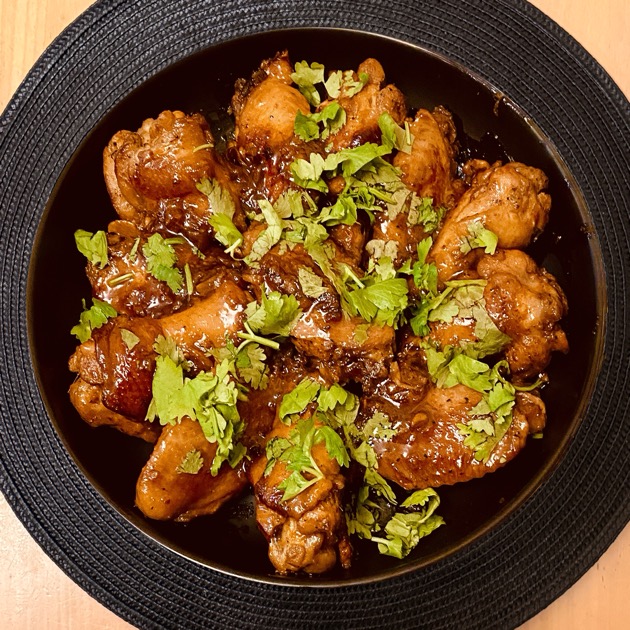 Braised chicken drumsticks
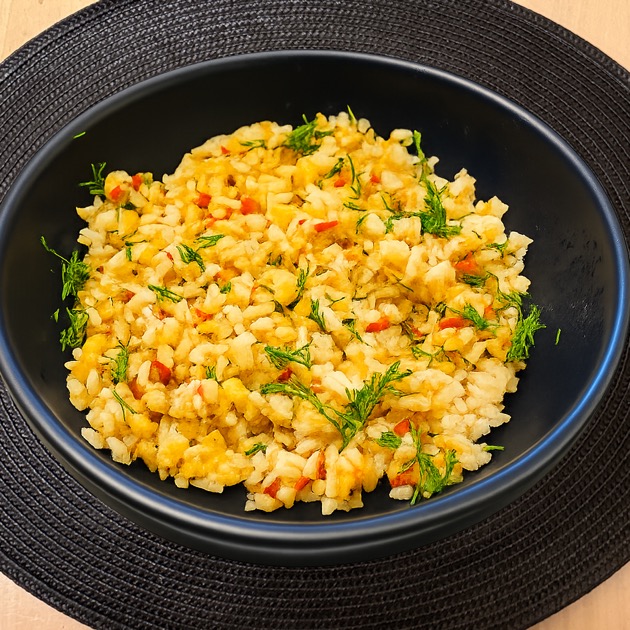 Dirty rice
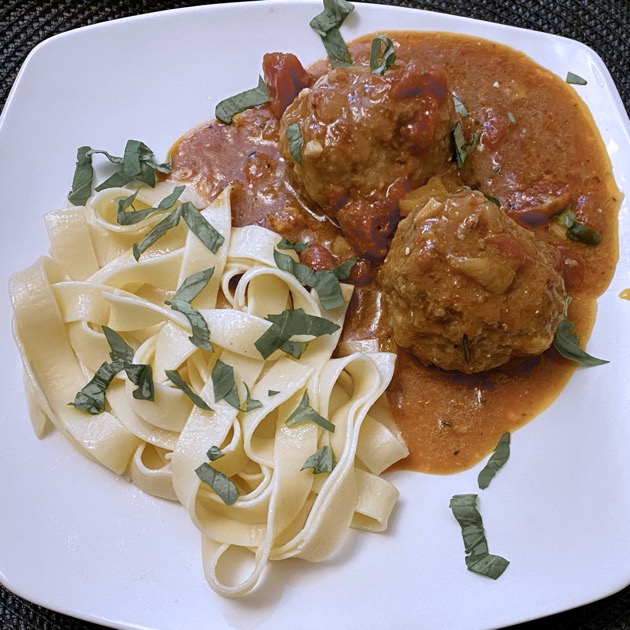 Metabals with fetuccini
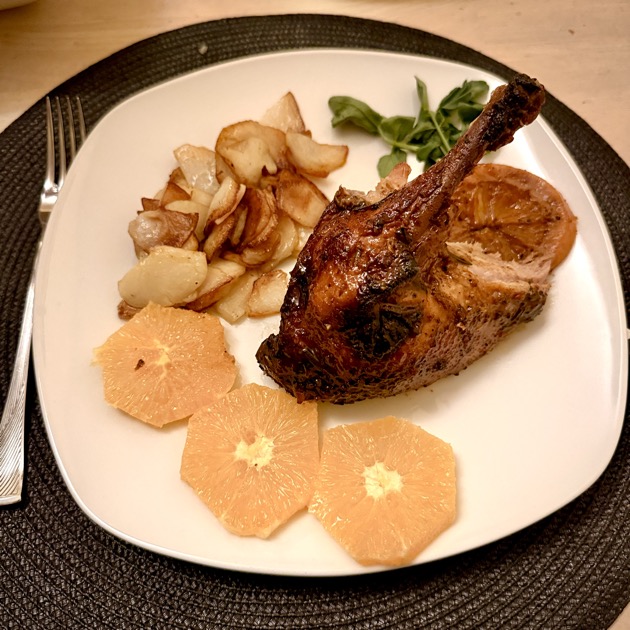 An oven-roasted duck leg
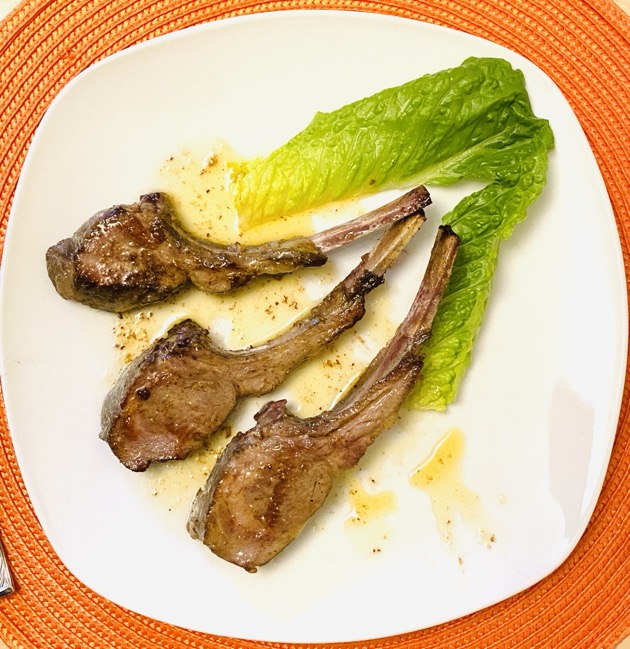 Pan-seared lamb chops
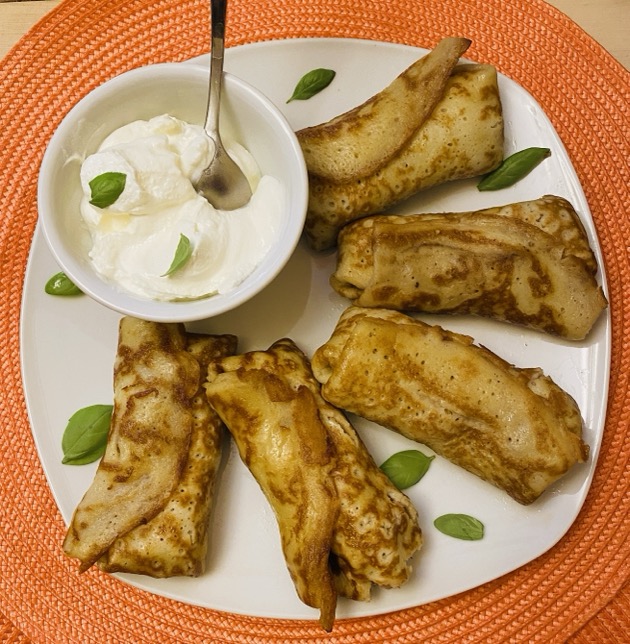 Crêpes filled with ground meat
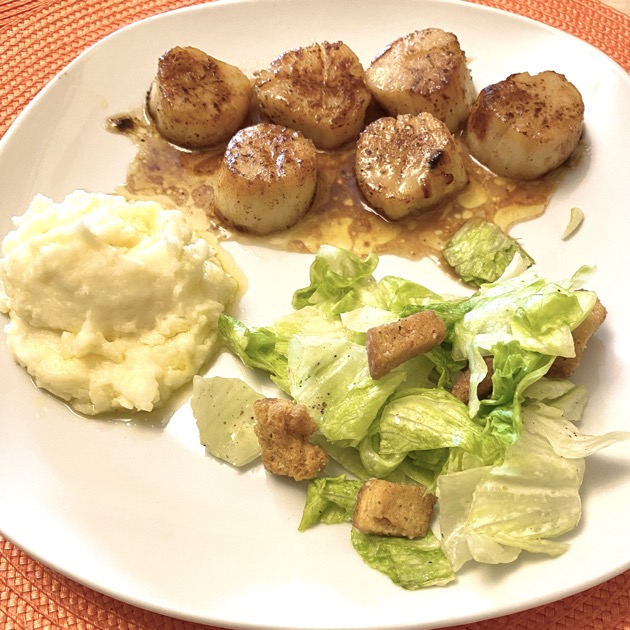 Seared sea scallops
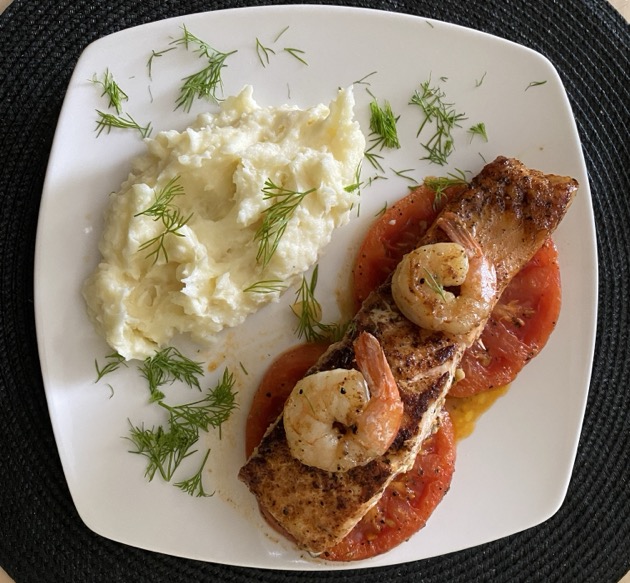 Pan-fried salmon and shrimp
As you can see, this isn't the diet of a deprived health nut who counts every calorie and obsesses over every gram of "bad" this or that. Now, let’s dive into the details, starting with what I don't eat, which is far more important than what I do.
What I Don't Eat and Why
This explanation is important to help you understand the context and rationale behind my diet "protocol" and food choices:
I don't eat an early breakfast because it disrupts my energy and mood for the rest of the day and causes heartburn and bloating later. If you are younger, normal weight, and breakfast doesn't affect your energy, digestion, and mood, I see no reason not to have it for as long as you can.
I don't eat fruits, berries or drink fruit juices because of their potential allergenicity, high sugar, high fiber, and FODMAPs (fermentable oligosaccharides, disaccharides, monosaccharides, and polyols). The latter are scientific names for different kinds of starches and soluble fibers. That's the only way I can keep my prior type 2 diabetes, obesity, and GI disorders under control.
I don't eat anything with sugar or artificial sweeteners for the same reasons I don't eat fruits and berries. The taste of sweetness stimulates a strong secretion of insulin that is a no-no for anyone with a prior history of diabetes and obesity.
-
I don't regularly eat foods made from fortified wheat flour because I am sensitive to iron, folic acid, and niacin added during fortification. For the same reason, I avoid fortified white rice. I am not sensitive to gluten and can eat wheat products made from unfortified flour without any issues.
A positive wheat allergy test indicates that your immune system has previously produced antibodies to proteins, such as gluten, found in wheat. It does not necessarily mean you have celiac disease or will develop a severe allergic reaction to wheat gluten.
This misunderstanding about gluten explains why many Americans who are supposedly gluten-sensitive can eat baguettes, pizza, croissants, and pasta while in France or Italy without any issues, where wheat flour isn't fortified.
Finally, do not confuse wheat sensitivity with celiac disease, which is a severe genetic autoimmune condition that affects less than 1 percent of the US population, and it isn't diagnosed through wheat allergy panels.
I don't drink tea or coffee, including decaffeinated brands, because they disrupt my sleep, mood, and energy. I used to love coffee, and my body was OK with it until my early sixties. The same goes for chocolate and cocoa.
I don't drinking alcoholic beverages except for an occasional spritzer (wine with carbonated mineral water) or sparkling wine during significant anniversaries. The reasons are the same as above — alcohol disrupts my sleep, mood, and digestion because it modulates blood sugar levels, stimulates the excessive secretion of insulin, and delays gastric (in the stomach) digestion.
I don't drink eight glasses of water in addition to all other fluids I consume during the day because it can lead to chronic overhydration, which contributes to osteoporosis, gastric disorders, chronic constipation, and kidney stones.
I don't consume vegetable oils except for small amounts of unrefined sunflower oil in salads. I avoid vegetable oils to prevent weight gain and their potential toxicities from oxidation and chemical composition.
I don't eat raw onions and garlic because of their inflammatory effects on my upper respiratory system. I know this from experiencing excess mucus in my nose, throat, and sinuses.
I am hypersensitive to MSG. Even small amounts lead to a sleepless night from a pulsating sensation in my head that prevents me from falling asleep. For this reason, I don't eat cold cuts, lox-style fish, ramen, and canned soups, which are often enhanced with MSG or related compounds such as yeast extract, hydrolyzed vegetable protein, autolyzed yeast, soy protein isolate, and sodium caseinate.
I believe my sensitivity is related to a genetic anomaly that has not yet been identified, as most people can consume MSG without experiencing adverse effects.
Some or all of the above restrictions may not apply to you, especially if you are younger, healthier, normal weight, and have a better tolerance for sugar, fiber, caffeine, alcohol, and MSG.
What I eat and why...
I often emphasize moderation in all areas of life and health, including food, fluids, salt intake, exercise, and sleep. My point about moderation in food will become clear from the portion sizes shown in the photos of my meals. By current American standards, they may seem small. By my standards, they are moderate. With that in mind, here is a brief overview of what I eat and why:
I eat and recommend a moderate, balanced diet that includes non-sweet carbohydrates, animal proteins, and animal fats in equal parts. I promote animal protein and fat because, unlike plant fat and protein, their chemical structure and composition are similar to those of humans.
I eat mostly animal protein. It comes from chicken, duck, turkey, beef, lamb, pork, fish, and seafood (lobster, shrimp, scallops). I do not take protein supplements because, judging from my health and appearance, I have no protein deficiencies that warrant supplementation. It may be different in your case.
Most of the fat in my diet comes from butter made from the milk of pasture-fed cows (illustrated below). The amount of fat I get from meat and fish is relatively small because much of it is rendered during cooking. I also take an equivalent of two teaspoons of liquid cod liver oil daily (not fish oil), about 10 grams. To get the same amount from a large 500 mg capsule, you'd need to take 20 at once, which is expensive and unrealistic.
I eat carbohydrates from white rice, non-fortified imported Italian pasta, homemade bread from non-fortified flour, and vegetables. As long as carbohydrate-based foods aren't naturally sweet or sweetened and are eaten in moderation, they do not negatively affect my blood sugar and insulin.
I do eat tomatoes, cucumbers, and potatoes. Tomatoes and potatoes belong to the nightshade family of plants. There are many claims that they are toxic or highly allergenic that may well be true for some people. In my case, I didn't experience any ill effects while eating them in moderation.
We use eggs in cooking and occasionally I eat fried eggs sunny-side up for dinner with tomato salad. I don't eat omelets because, in my case, they don't digest well. I know that because of a vague feeling of heartburn five to six hours later.
We use salt in moderation for cooking because it is essential for digesting proteins, regulating blood, supporting kidney function, transmitting nerve signals, maintaining water balance, and preventing constipation. "Liberally" doesn't mean "excessively" — our daily consumption is well under 6 to 8 grams, a level consumed in most of Western Europe and Japan.
My wife's and my own current blood pressure and cardiovascular health are normal and comparable to healthy people half of our age. I discuss this topic in depth in related guides.
We cook with mild spices in moderation, celery, carrots, garlic, onions, and common herbs like coriander, dill, or parsley. Cooking neutralizes the sulfur compounds that make garlic and onions so reactive.
My moderate diet is deficient in essential plant-based vitamins and minerals because it excludes fruits, juices, and food fortified with niacin, folic acid, vitamins C and D, and minerals, such as iron and calcium. To compensate for these deficiencies, I take high-quality supplements daily.
We don't eat only organic foods. If organic, free-range, cage-free, or non-farm-raised options are available, we choose them, but it's not a strict requirement because I recognize that almost all store-bought foods, including organic ones, can still be contaminated with unwanted substances from the heavily polluted environment.
We're not shy about using different cooking techniques. Since our house has no wiring for an induction range, we cook with gas. We depend entirely on a Breville electric oven for broiling, roasting, and baking. We reheat food in a microwave because it's safer and quicker than using gas. Occasionally, we use a sous vide machine, an air fryer, and a pressure cooker. We also have an outdoor gas grill that we use in the summer.
Before COVID, we used to dine out once or twice a week. Now, we rarely do. Restaurant portions are much larger than what we can eat. The dirty looks we get from waiters when asking to split the main course or skip alcohol, appetizers, and desserts aren't worth the trouble. And all the good places we used to patronize had closed.
My Eating Schedule
Tatyana and I work full-time from home and share household chores. With only minor exceptions, this has been our way of life since 1998. If you work full-time outside the home, most likely you won't be able to maintain a similar lifestyle.
My day begins between 6 and 7 am. I go to bed by 1 am. I take a nap once or twice a day after my first and second meals, lasting 15 to 20 minutes.
I eat only two meals a day. The first is white cooked rice with butter between 11 am and 12 pm, and the second is dinner between 4 and 5 pm. This schedule has remained the same for the past 20 years.
Tatyana eats only one meal a day, except for a cup of freshly brewed coffee, small banana, and two generous slices of butter (30 to 40 grams) around 10 am. Tatyana goes to bed around the same time and wakes up by 9 am. She doesn't take naps during the day.
Our Meals
Tatyana cooks all the dishes in the photos. She preps three or four main dishes ahead of time once every two weeks, and we just reheat them for dinner, except for fresh fish, steak, lamb chops, or burgers. She makes fresh sides and salads daily just before eating.
Tatyana doesn't follow written recipes when she prepares meals. She is an instinctive cook with a good eye for food styling. Because of this, whatever she makes rarely tastes the same.
Her cooking style is distinctly continental, very similar to French cuisine. We both grew up in large cities in the former Soviet Union, where Western-style food was heavily influenced by French cooking techniques because prior to revolution in 1917, wealthy private homes and restaurants employed French chefs and cooks trained by those chefs.
When people mention traditional "Russian" or "Ukrainian" cooking, they usually refer to meals prepared in villages, using preparation techniques driven by seasonal ingredients, heavy reliance on grains, cooking mostly in clay pots on wood-burning stoves, and lacking refrigeration. Growing up in large cities, these meals were just as exotic for us as they would be for an American visiting Russia or Ukraine.
All photos below were taken with an iPhone at the dinner table using natural light. A few were taken on top of the gas stove. Tatyana has a penchant for presenting her food well because she cares, and it doesn't take much more effort.
My First Meal
I prepare for myself white rice on the stove in a 3 qt stainless-steel pot with a three-ply bottom, using the proportion of 500 ml of water, one cup (about 225 grams) of rice, and one teaspoon of kosher salt.
Here are the rice and butter I use. The Lundberg long grain white rice is available at Whole Foods and on Amazon. I use this particular rice because it isn't fortified with iron, niacin, and folic acid.
The unsalted Kerrygold butter is widely available at Costco, upscale supermarkets, and Whole Foods. This specific butter is made from the milk of pasture-fed cows with minimal processing:

I add rice to boiling water and simmer it for 18 minutes with the slightly ajar lid to prevent water from spilling over, then cook it for another 15 minutes with the lid closed. The cooked rice yields up to five servings and stores well in the refrigerator.
I reheat a single portion in the microwave for 2 minutes at 750 watts. A 1200-watt oven takes about one minute.
One serving contains approximately 120 grams of cooked rice and about 30 grams of 82% butter. The actual weight of each serving is shown after tapping the Tare function on the scale:
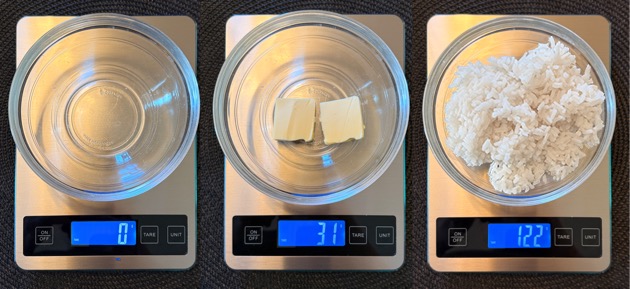
Of course, I do not weigh my portions every time. A few grams more or less makes no meaningful difference. Below is an enlarged photo of my rice meal ready for the microwave.
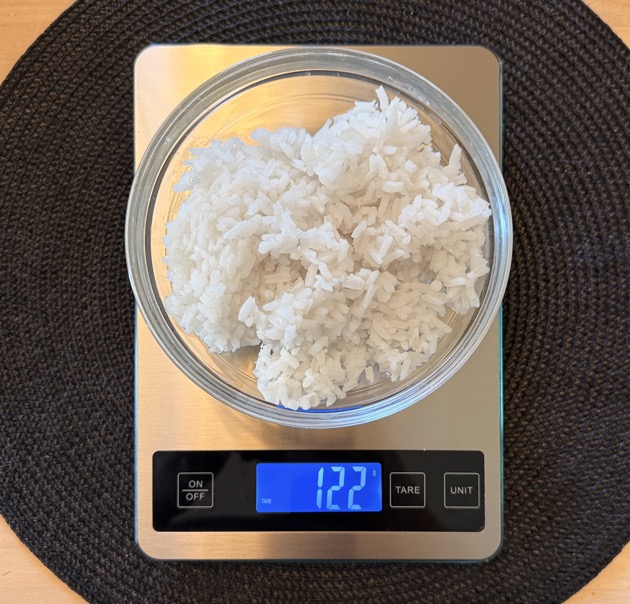
This description does not imply that you should eat the same way. I am simply answering a question about what I eat. The reasons for why I eat my first meal this way will be addressed in a separate article.
A single serving of about 120 grams of cooked white rice provides roughly 130 calories. The added 30 grams of 82% butter contribute approximately 220 calories. Together, the meal comes in at about 350 calories.
Most of the calories come from butterfat, with a smaller contribution from carbohydrates in the rice and minimal protein, about 3 grams. In practical terms, this is a simple meal that is easy to digest and quite filling relative to its calorie content.
If you are aghast at how a former diabetic can eat 120 grams of rice each day, there is little cause for concern here because most of that weight is water, with only about 33 grams of non-sweet carbohydrates in the form of starch. Combined with butter, this amount is not sufficient to cause a sharp swing in blood sugar or a large insulin response.
Another important distinction about white rice — it does not contain gluten. The word “glutinous” applied to rice means sticky or glue-like, and it describes the texture of the rice after cooking, not its gluten content. Rice does not have the same gluten proteins as found in wheat, barley, or rye.
Non-glutinous rice contains amylose and amylopectin starches. Glutinous rice is made up mostly of amylopectin. When cooked, amylopectin makes the rice soft and sticky instead of light and separate. Because of this texture, glutinous rice is commonly used in Southeast and East Asian dishes that require the rice to hold its shape, such as in rice balls or sushi.
I take all of my daily supplements with this meal.
My Typical Dinner Dishes:
An oven-roasted duck leg with crisp skin, pan-fried potatoes, fresh orange slices, and a small portion of greens for decoration:
A tomato and cucumber salad made with peeled tomatoes, sliced Persian cucumbers, thinly sliced Vidalia onion for taste (I don't eat them), unrefined sunflower oil, and salt:
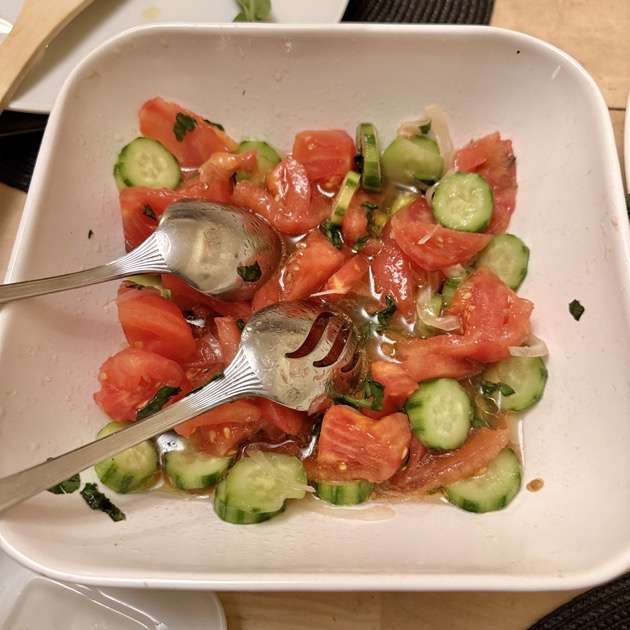
The ingredients are lightly mixed, releasing tomato juices that combine with the oil to form a loose dressing. Two servings include one large tomato, one cucumber, two tablespoons of sunflower oil, and salt to taste. It takes minutes to prepare and accompanies most of our meals:
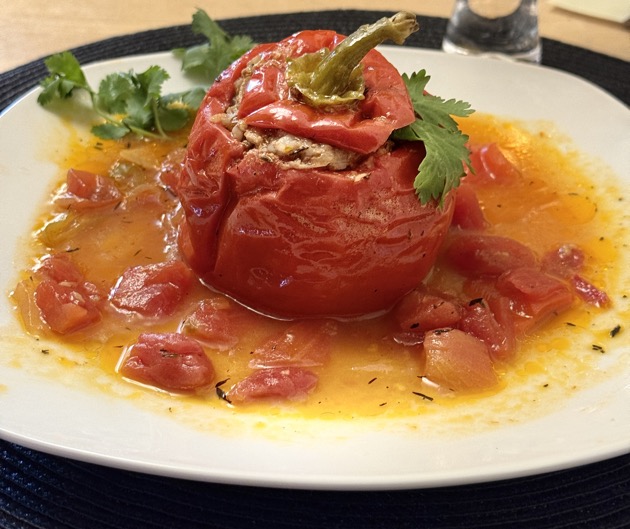
A red bell pepper stuffed with ground beef, cooked in a vegetable broth until soft. The pepper is served intact, surrounded by cooking juices and softened tomato pieces from the casserole:
Pan-seared lamb chops cooked until lightly browned and served plain. The meat is finished with its cooking juices:
This is one of my favorite dishes because the lamb is tender and flavorful. We usually eat it with a Greek salad, similar to our usual tomato and cucumber salad, but with added feta cheese crumbs and pitted black olives sold by weight from the deli counter, packed in brine or oil. Sorry, I don't have a photo to illustrate it.
Cold boiled leg of lamb sliced and served plain, accompanied by fresh tomato slices and sliced cucumber. The meat is fully cooked in vegetable broth and unseasoned beyond the spices in the broth:;
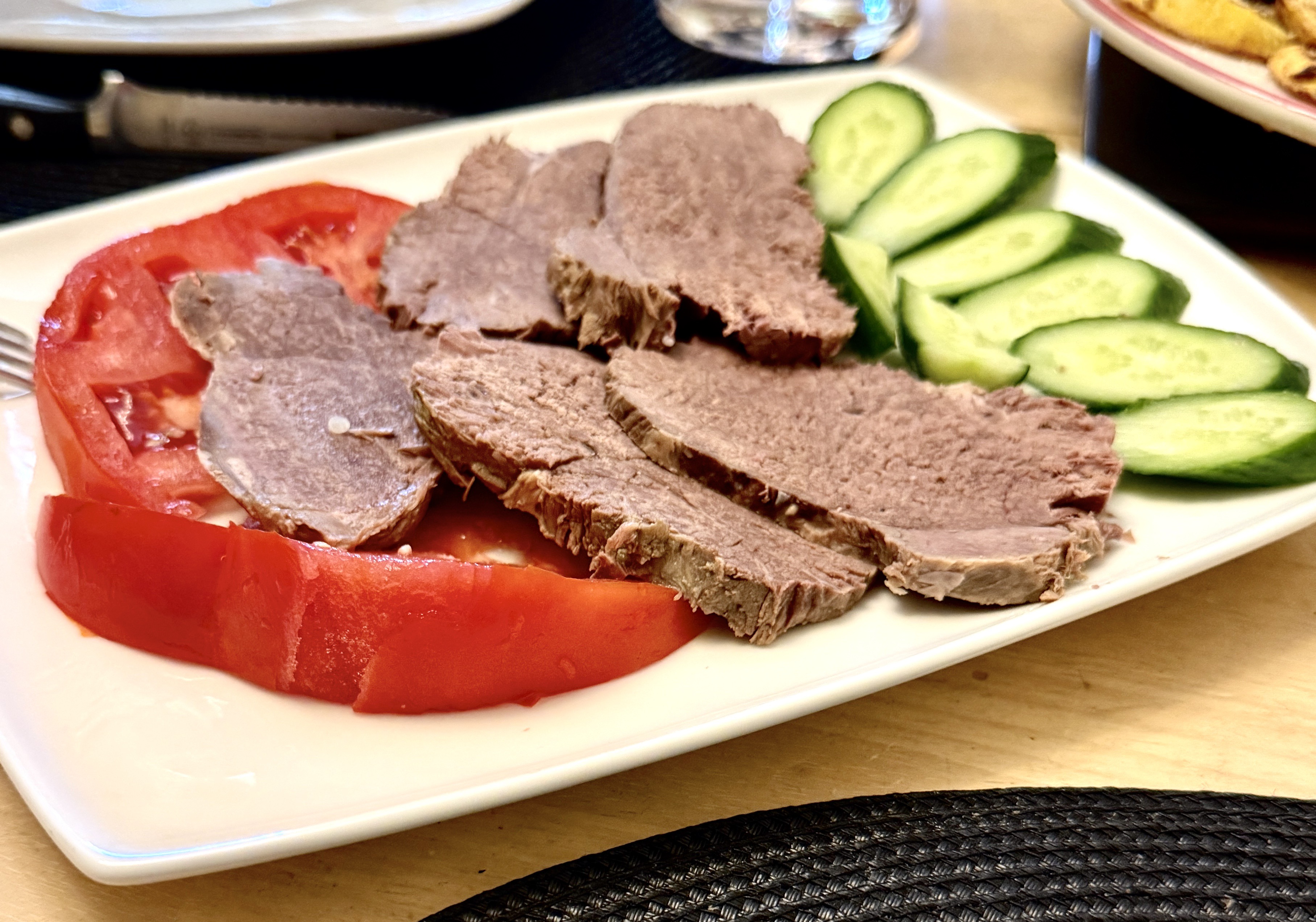
We usually eat this dish with mushroom juliennes — diced white mushrooms lightly sautéed with onions and butter, then finished under the broiler in a large ramekin with heavy or sour cream and Parmesan cheese, and served hot. Sorry, I don't have photos of this classic Russian dish, but you can find plenty of recipes on YouTube. (In French culinary terminology, the word julienne refers to a knife cut of thin strips of vegetables.)
Lamb is our primary "red" meat because it is forgiving during cooking, easier to chew well, and relatively inexpensive compared with quality beef. You will see more lamb dishes further down.
We purchase lamb meat at Costco. It is imported from Australia, where lamb is typically bred in natural, free-range conditions. American lamb is generally lower in quality and often has a strong urine-like odor.
Lamb does not inherently smell of urine. That odor is a byproduct of older animals, intact males, grain feeding, and fat composition. Australian and New Zealand lamb is typically milder because animals are raised on pasture and processed more consistently.
Crêpes filled with ground meat, pan-fried until lightly browned, and served warm with sour cream or clear broth:
This traditional Slavic dish is commonly served as a main course in Russia, Ukraine, and Poland. The beef, lamb, chicken, or mushroom filling is cooked in advance, ground, and mixed with sautéed onions, precooked rice, and spices, then wrapped in thin crêpes and lightly pan-fried before serving. It is eaten fresh or reheated in a microwave oven.
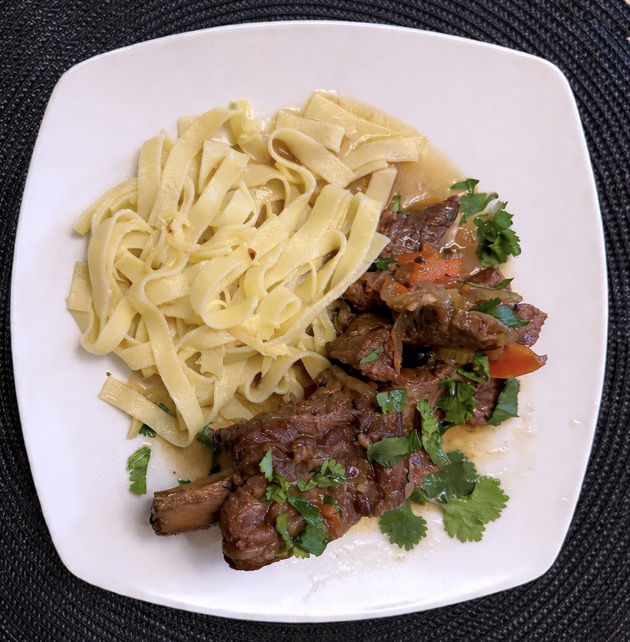
Braised pork rib served with plain fettuccine. The rib is slow-cooked until tender with onions and vegetables, then finished in its cooking liquid. The pasta is lightly coated with melted butter and grated parmesan cheese. The dish is garnished with fresh chopped parsley or coriander:
Seared sea scallops cooked until lightly browned and served with their pan juices. They are paired with plain mashed potatoes and a simple Caesar salad made with romaine lettuce and croutons:
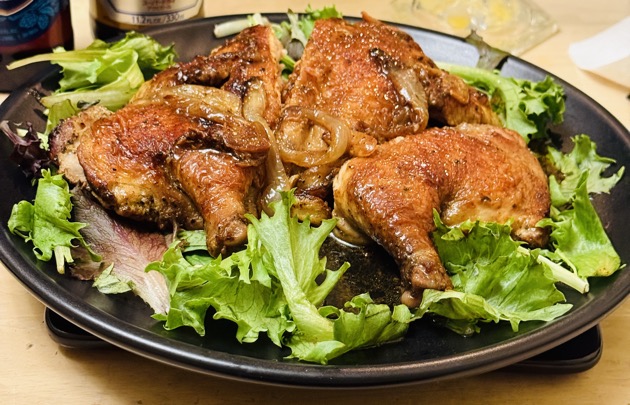
Roasted chicken with crisp skin, served on a bed of mixed greens. The chicken is cooked whole until well browned, with rendered fat and cooking juices, and presented without sauce or additional seasoning beyond the roast:
Homemade lox sliced thin and served plain. The salmon is cured with salt and lemon zest for 24 hours and sliced after curing. We usually serve it with lemon quarters, not shown here. This appetizer is eaten with holiday or anniversary meals.
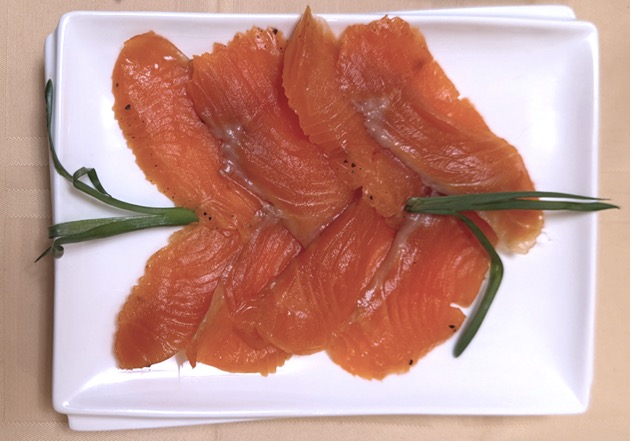
We purchase the salmon at Costco and keep it refrigerated for at least a week before curing it to reduce the risk of pathogens:
Pan-fried salmon and shrimp placed on fried tomato slices. The components are cooked separately, served with mashed potatoes, and garnished with fresh dill:
Braised chicken drumsticks cooked until well browned and coated in reduced cooking juices. The drumsticks are finished with chopped fresh herbs:
Dirty rice is usually served together with chicken dishes or on its own as a main course:
It is made by mixing precooked white rice with a sauté of finely chopped red or yellow bell peppers, zucchini, carrots, and onions. The vegetables are cooked in sunflower oil with cumin or curry, then combined with the rice and seasoned with salt and black pepper to taste. It is absolutely delicious and way better than Chinese-style fried rice.
Meatballs with tomato sauce and fettuccine. It's one of my favorite dishes. The meatballs are made from 25% fat ground Wagyu beef from Whole Foods and are lightly browned before being braised in the tomato sauce:
The fettuccine is served with butter and grated Parmesan. This dish is usually accompanied by a fresh tomato salad.
Sometimes ground beef is mixed with ground lamb or pork. Unlike traditional Italian recipes, Tatyana adds a small amount of rice to keep the meatballs airy and fluffy. We once had a first-generation Italian-American guest who grew up on homemade Italian food, and he was shocked by how good our version was.
Making meatballs is a relatively labor-intensive process. Tatyana prepares a large batch that we keep in the freezer, portioned for one-time servings in hermetic food containers, where they last for a few months. We reheat our usual servings in the microwave.
Please note how small the serving is, only two medium-size meatballs. In my thirties and forties, I could eat at least four or five along with a lot more pasta. This meal would also be accompanied by an appetizer, salad, plenty of red wine, and dessert.
Tatyana and I stay in good shape because, unlike most people in the same age group, we have significantly reduced the amount of food we consume to accommodate our age.
Wagyu beef cheeseburgers served on supermarket sourdough buns. The patties are seared and pan-fried to a medium-rare state, then assembled with sliced lettuce, tomatoes, onions, pickles, mayonnaise, and ketchup:
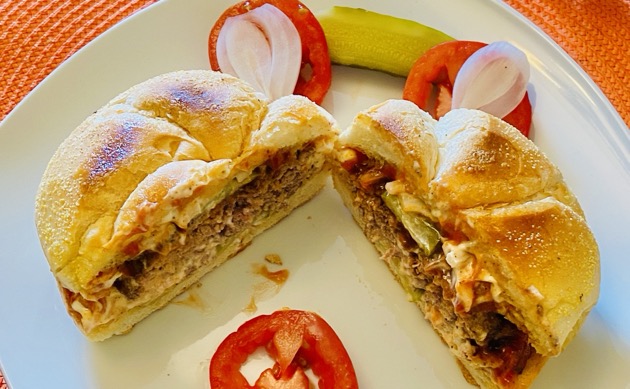
Surprisingly, preparing tasty burgers at home is a time-consuming and nerve-racking experience, very much unlike what you see on YouTube. A lot of effort goes into the initial preparation of ingredients, and pan-frying requires precise timing that is difficult to repeat consistently. Although we enjoy burgers, Tatyana prefers not to make them often.
Lamb stew made with chunks of lamb, white potatoes, and cremini mushrooms, slow-cooked until the meat is tender and the broth thickens into a light gravy. The ingredients are cooked together so the potatoes absorb the cooking juices, with mushrooms contributing depth rather than texture. Chopped fresh basil is added at the end, and the dish is served on its own without additional sides or garnish.
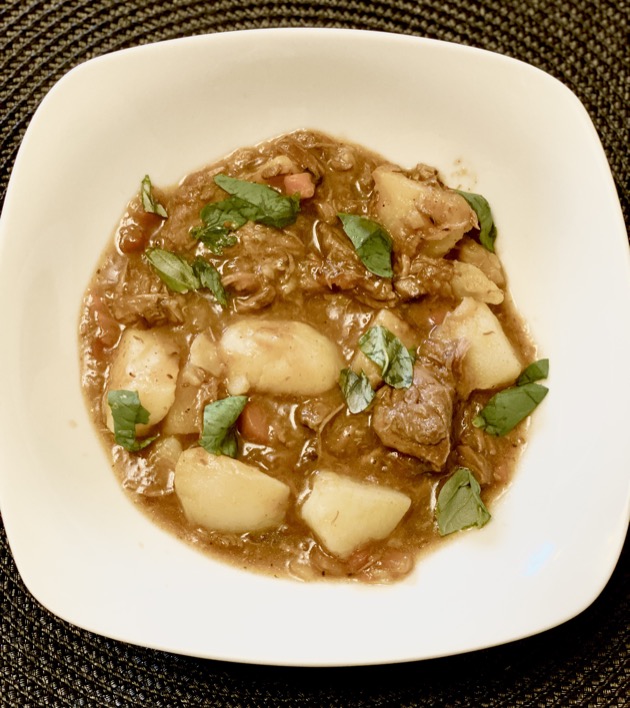
This is a typical hearty dish commonly found in French bistros and village restaurants, where simple ingredients are slowly cooked together to produce a filling, practical meal rather than a decorative one.
You rarely find this kind of peasant food in American restaurants because it does not fit the prevailing restaurant economics. These dishes rely on inexpensive cuts, long cooking times, and modest presentation, which makes them difficult to price in a market that favors visual impact and novelty over substance and tradition.
Duck leg and breast cooked for 24 hours in a sous vide appliance and finished in the electric oven to brown the skin:
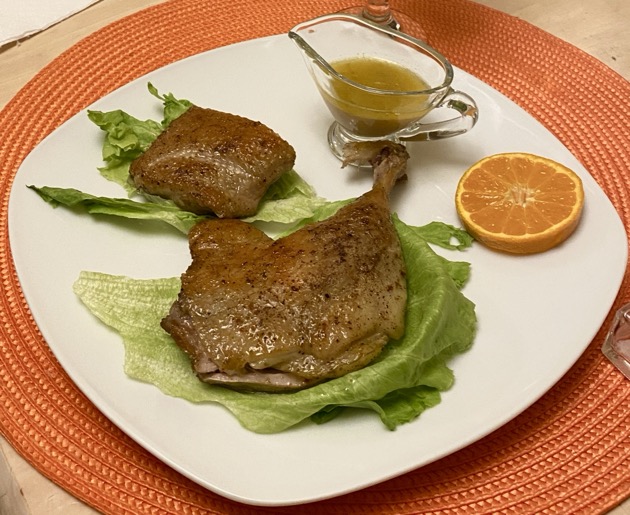
The duck meat is tender and evenly cooked, served with its juices. We usually eat duck with white or dirty rice. I love this dish, but Tatyana prefers a whole duck broiled in the oven because she doesn't like a distinct sous vide texture.
Broiled lobster tails served plain, lightly seasoned, and finished with a small amount of butter. The meat is cooked until opaque and tender:
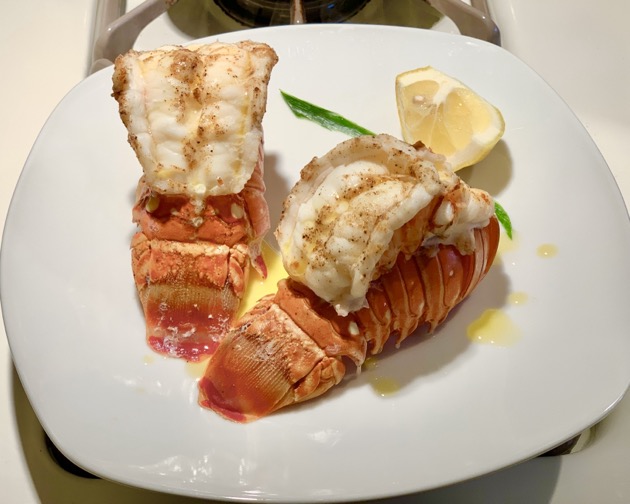
For reference, these 5- to 6-oz tails are prepared in a ceramic casserole in a preheated Breville electric oven set to Bake mode for 8 to 10 minutes at 360°F (180°C). Before placing the casserole in the oven, Tatyana brushes them with a mixture of melted butter, lemon juice, and red pepper powder.
They are served with Caesar salad, melted butter for dipping, and inexpensive French or Spanish brut sparkling wine served on ice. This is primarily an anniversary dish, and the only time I make an exception for alcohol.
The difference in taste between a $50 to $100 Champagne and a well-rated sparkling wine made using the méthode champenoise in France or Spain is marginal at best for untrained palates. The premium largely reflects marketing and markup rather than a meaningful difference in quality.
Tomato, mozzarella, and prosciutto salad assembled in layers and drizzled with olive oil and balsamic vinegar:
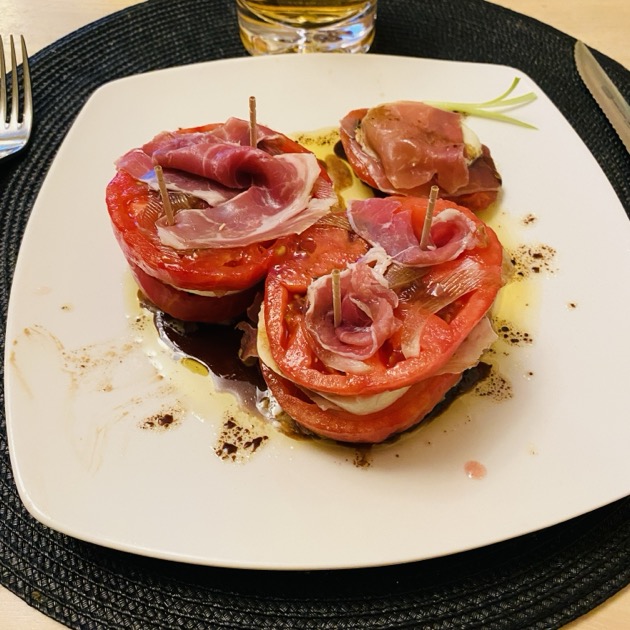
This dish works best when made with heirloom tomatoes, authentic Prosciutto di Parma, and traditional freshly-made mozzarella. For us, it is substantial enough to serve as a main course.
Pan-fried marinated young chicken cooked under a weight, similar to chicken tapaka. This name comes from the Georgian word tapha, a heavy skillet used to press the chicken flat while cooking. The bird is flattened and seared skin-side down until evenly browned, then finished in its own juices:
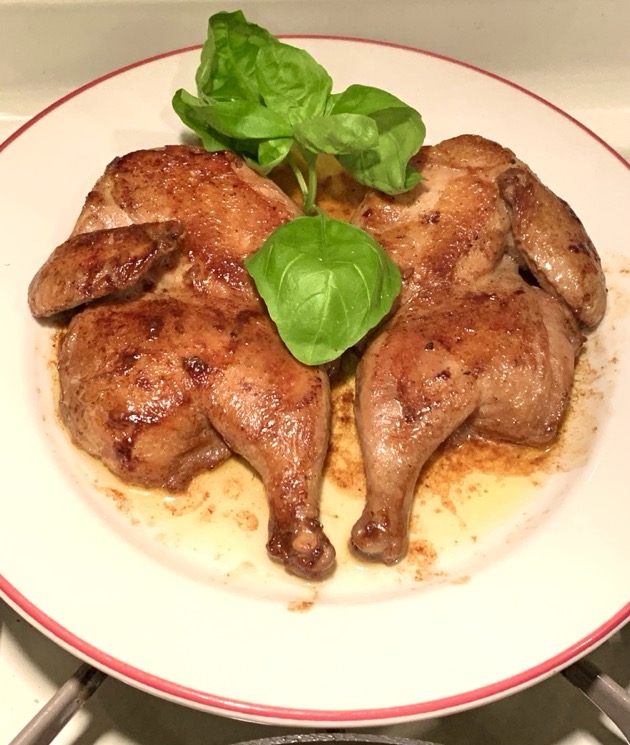
In the photo is a whole bird shown after cooking; the actual serving is one half.
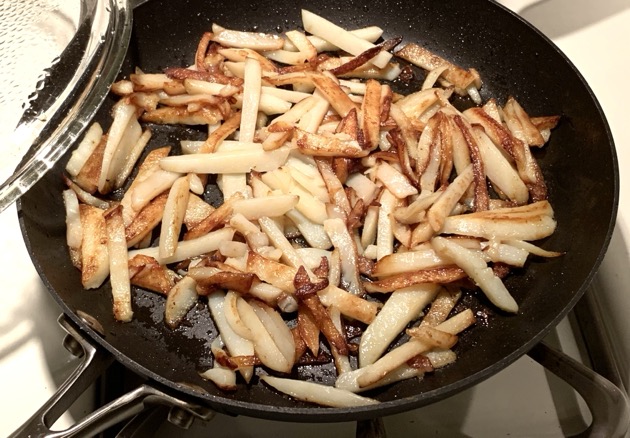
It is usually accompanied by pan-fried red potatoes cut into thin sticks and cooked in butter until lightly browned and crisp at the edges:
I drink these two non-alcoholic beers daily because having only mineral water is too boring. I take the first bottle around 2 pm to prehydrate and the second with dinner. They constitute most of my hydration for the day. Each contains fewer than 60 calories. I don't drink non-alcoholic IPA (India Pale Ale) beers because of their sweetness.

I also drink half a glass of St. Pellegrino mineral water to take vitamins with rice and another half glass before bed. I keep a 12 oz bottle of spring water on my nightstand and take a few sips if my mouth feels dry. This bottle typically lasts for a whole week.
I am well-informed about hydration because I've been researching this subject for the past thirty years, and I can confidently say that I am not dehydrated. If you are an active athlete, ironworker, sauna buff, live in the desert, consume a lot of salt or hard liquors, take diuretics, and so on, you obviously need more water. None of those applies to me.
Except for anniversaries, I don't eat desserts. And when I do, it's usually a scoop or two of premium-quality ice cream without artificial colorings, corn syrup, fillers, and stabilizers.
I don't eat snacks before, after, or between meals. My daily energy intake from two meals is well under 2,000 calories. I am definitely not underweight or malnourished on my diet because my weight stays stable, and supplements make up for missing micronutrients.
I don't have sarcopenia (muscle loss) or osteopenia (bone loss). My muscles and bones at 71 remain the same as they were at in my middle age. I explain the reasons behind this unusual accomplishment in the Why Should You Trust Me article.
And no, I don't feel bored or deprived with this diet. On the contrary, it keeps me healthy, I don't experience cravings or intense hunger, my weight and blood sugar are stable, and it doesn't negatively affect my mood, energy, or sleep.
Conclusion
As you can see, I am not a diet freak by any stretch, and my meals are simple, familiar, and delicious. I am also fortunate to be married to Tatyana, who is a skilled and creative home cook, but that's another story.
Finally, should you repeat after me?
Certainly not exactly alike because my age, health, ethnicity, work, and lifestyle are different from yours. But you definitely should apply similar principles to your own preferences and circumstances to accomplish similar outcomes.
Cheers and bon appétit!
Frequently Asked Questions
Q. Is this article meant to be dietary advice or a template to follow?+
No, this article is not dietary advice or a template to follow. It answers a narrow and frequently asked question about what I eat and why. My food choices reflect my age, health history, tolerances, and preferences, none of which may apply to you. Copying this approach without understanding those constraints would miss the point of the article entirely.
Q. Why do you avoid fruits and berries but still eat tomatoes and potatoes?+
I avoid fruits and berries primarily because of their sweetness and sugar content, not because they are inherently bad foods. Even modest portions tend to trigger reactions I prefer to avoid.
Tomatoes, potatoes, and other vegetables such as squash, eggplant, cabbage, and cucumbers are different. Their carbohydrate content is largely in the form of starch rather than free sugars, and they do not provoke the same metabolic or subjective response.
Q. Is eating under 1,500 calories per day safe at your age?+
Yes, as long as my weight, strength, and body composition remain stable. That may not be true for someone with a more physically demanding lifestyle, a larger body, or different metabolic needs. Calorie totals by themselves are a crude metric and do not account for food quality, digestibility, or hormonal effects.
In my case, roughly 60% to 70% of calories come from fats and protein, which are more satiating and metabolically stable than sugars. I do not experience unintended weight loss, weakness, or declining energy, which would be the first signs that intake is insufficient. Stability over many years matters more than the absolute number on a calorie counter.
Q. Do you ever feel hungry, deprived, or bored eating this way?+
No, I do not. This way of eating keeps my blood sugar, energy, and appetite stable, which largely eliminates hunger and cravings between meals. I eat until I am comfortably full, not restricted. Because the meals are satisfying, there is no sense of deprivation or constant decision-making around food.
Boredom is also not an issue. I eat for nourishment and stability rather than stimulation, and plenty of variety comes from seasonal changes and different preparations.
Q. If someone wanted to adopt your principles, where should they start?+
If you want to apply similar principles, don’t start by copying foods or meal timing. Start by understanding the reasoning behind them. My website contains detailed health guides that explain how digestion, blood sugar, energy, and appetite regulation actually work together.
For a more complete foundation, read Fiber Menace. It lays out the core principles of functional nutrition that inform everything I do. Once you understand those principles, you can adapt them to your own age, health, needs, and restrictions instead of trying to replicate my diet.
Q. Did your eating habits change gradually or abruptly?+
My diet and eating habits changed gradually. I have been following this approach for nearly thirty years, and the core principles were laid out between 2000 and 2005 in my first three books. Nothing about this was abrupt or experimental.
What changed over time was the quantity of food and the frequency of meals. As I moved from my mid-forties into my mid-sixties and beyond, I naturally began eating less and less often. My digestion and energy metabolism became more efficient with less food, not more, while the underlying principles stayed the same.
Q. Do you ever deviate from this routine, and if so, what happens?+
Yes, I do, freely, usually during travel, social events, or special occasions. When I deviate, nothing dramatic occurs, but I do notice predictable changes in sleep quality, digestion, energy, or mood.
Those effects are not alarming, just informative, and they confirm why my usual routine works well for me. Once I return to my usual eating pattern, everything settles back to normal.
Q. Do you ever feel hungry between meals?+
No, I don't. Strong hunger between meals usually indicates unstable blood sugar, high insulin levels, nutritional deficiencies, and stomach inflammation. My meals are designed to avoid all four. They are simple, tasty, and centered around fats, protein, and non-sweet carbohydrates that digest slowly and evenly. As a result, my energy levels remain steady rather than spiking and crashing, and my stomach gets enough time to recover its protective mucosal membrane between meals.
Q. What role does digestion play in your food choices?+
Digestion plays a central role in my food choices, but not in the way it is usually discussed. In my experience, digestion depends far more on how much food I eat and how often I eat than on the exact composition of that food.
Portion size and meal frequency determine whether the digestive system can complete its work efficiently. Smaller, well-spaced meals allow the stomach and intestines to empty fully and recover, which prevents heartburn, reflux, and delayed digestion. When digestion is complete, digestive health improves across the board.
Food composition still matters, but it is secondary. Even “healthy” foods become problematic when eaten in excess or too frequently. For me, simplifying meals and reducing their frequency did more for digestion than eliminating individual ingredients ever did.
Q. How much of this routine depends on having a skilled home cook?+
Very much. Tatyana prepares nearly all of our meals, plans ahead, and knows how to cook well with simple ingredients. That makes it possible to eat consistently well without turning food preparation into a daily burden.
Without that foundation, maintaining this kind of routine would be far more difficult. I am well aware that not everyone has similar advantages, and I do not take them for lightly or for granted.
Q. What is the most common misunderstanding readers have about this article?+
The most common misunderstanding is that this article is about rules and restrictions. But it isn't. I simply answer the question of what I eat honestly and directly.
Another frequent misreading is that my diet simplicity equals deprivation. For me, the opposite is true. Simplifying food removes decision fatigue, overexpectations, and the burden of procuring food and cooking.
Q. What is the most critical thing to keep in mind when adopting a similar diet?+
My diet excludes fresh fruits, juices, and high-carbohydrate foods fortified with vitamins and minerals to prevent the relapse of type 2 diabetes and obesity. As a result, it is inevitably low in vitamins A, C, D, E, K, folate, niacin, iron, calcium, magnesium, and other essential micronutrients.
To prevent nutritional deficiencies, I compensate for them by taking high-quality supplements daily. Without them, deficiency-related disorders may appear months or years later in the form of fatigue, poor immunity, bone loss, anemia, neurological symptoms, and others.
If you consider adopting a similar diet, please keep this warning in mind.
Related Health Guides
Please review the following guides to better understand the principles behind my diet composition, food choices, and how it is consumed. The guides on salt and hypertension are especially important if you're concerned about your salt intake and its connection to elevated blood pressure and heart health:
45 Timeless Recommendations for Bulletproofing Your Gut Against Wrong Food And Bad Habits
44 Serious Disorders Caused by Salt Deficiency
How to Prevent Hypertension From Ruining Your Health
How to Identify Nutritional Disorders
Personalized Consultations
I can assist you with recovering from the following functional conditions:
Chronic Fatigue/Low Energy | Functional Constipation | Hemorrhoidal Disease | Irritable Bowel Syndrome | Diverticulosis and Diverticulitis | Intermittent Diarrhea | Bloating and Flatulence | Leaky Gut Syndrome | SIBO | Indigestion and Heartburn/GERD | Delayed Stomach Emptying | Gastritis and Enteritis | Halitosis
If you commit to making recommended changes, you should expect to improve your health and quality of life the same way tens of thousands of my readers and clients were able to improve theirs.
Author's Note
When I began my full-time journey into functional nutrition in 1998, I was 44 years old. Except for my wife, immediate family, and a few people familiar with my earlier pioneering work in the technology field, most people dismissed my research because it was so counterintuitive and different from the prevailing nutritional doctrine and beliefs.
Nearly thirty years later, my wife and I remain largely unaffected by the perils of aging, and many of the principles I shared in my early books have become mainstream. Unfortunately, most of those who ignored my recommendations are now in poor health, aged beyond recognition, or passed away.
I hope that after reading this article, you will not repeat their mistake.