
How to Prevent and Reverse Acid Reflux, Heartburn and GERD
Let me remind you that acid reflux comes first, heartburn is second, and GERD, or gastroesophageal reflux disease, is third. All three conditions are more likely to result from low acidity than high because of indigestion. Treating acid reflux with prescription drugs does remove the sensation of heartburn but leaves you dependent on them for life. The ensuing side effects are far more dangerous than the disease itself, even though all three conditions are preventable and reversible without medication.
It doesn't make any sense, does it? To help you figure out this paradox, I describe here over 40 nutritional, behavioral, medical, mechanical, and lifestyle factors that cause or contribute to acid reflux, heartburn, and GERD.
Heartburn occurs when acidic stomach contents pass through the lower esophageal sphincter (LES) and enter the esophagus that isn't protected from diluted hydrochloric acid and gastric enzymes.
The process of content passing is called acid reflux. The word reflux means "a flowing back" and it comes from the Latin refluxus. Technically, this term is correct because the stomach contents are moving in the direction opposite to their normal passage through the digestive tract.
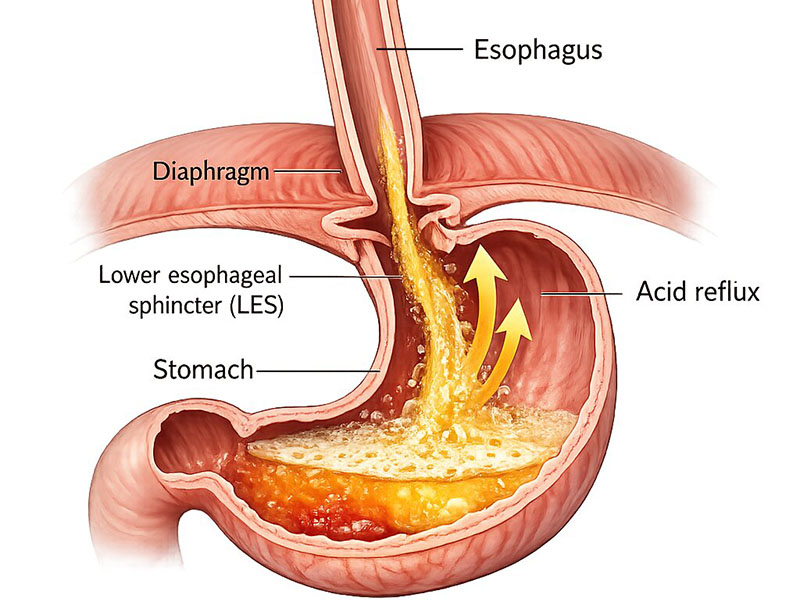
The word "acid" is misleading because the fluid that passes into the esophagus isn't "acid" but the natural and healthy contents of the stomach during gastric digestion.
At the peak of digestion in healthy people, gastric acidity may reach a pH as low as 1. This is normal and approximately ten times more acidic than lemon juice, as illustrated in this diagram of the logarithmic pH scale:
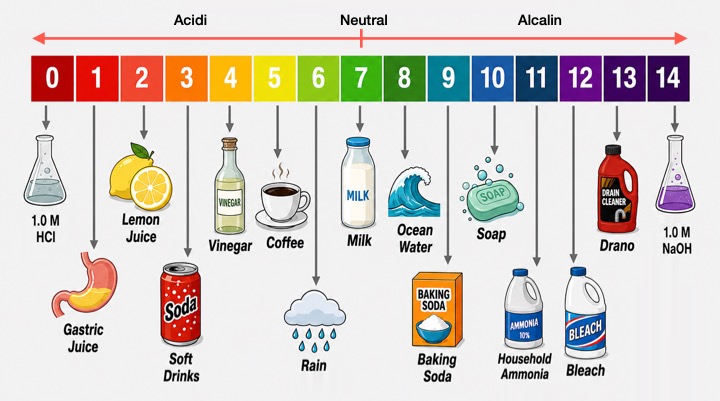
On this scale, pH 0 is represented by a 1.0 molar solution of hydrochloric acid, while pH 14 is represented by a 1.0 molar solution of sodium hydroxide, also known as caustic soda or lye. Both are extremely corrosive and can cause severe chemical burns on contact with the skin.
The esophagus may become irritated when its pH falls below 4, although sensitivity varies depending on the duration and frequency of exposure and the condition of the esophageal lining.
The term "acid reflux" makes acid sound like the cause of the problem. It isn't. Hydrochloric acid is exactly where it belongs and is performing the function it is supposed to perform. The actual problem is that the contents of the stomach are entering the esophagus.
According to dictionary records, the phrase "acid reflux" first appeared in print in 1960. The term gastroesophageal reflux disease, or GERD, was first used in the English-language medical literature by Krejs et al. in 1976. [link]
I am mentioning this history because the terminology is relatively new. It changed the perception of reflux from a mechanical and digestive problem into an acid-related disease. Once acid became the presumed culprit, the obvious treatment was to neutralize it or suppress its production instead of determining why stomach contents were entering the esophagus.
That approach created an enormous market for antacids, H2 blockers, PPIs ( proton pump inhibitors), and motility-stimulating drugs. According to one industry estimate, this global antacids market was valued at $18.11 billion in 2024. [link]
According to WebMD, "More than 60 million American adults have heartburn at least once a month, and more than 15 million adults have heartburn every day, including many pregnant women." [link]
The condition is common, its basic mechanism is well understood, and in most cases the factors causing it can be corrected through nutritional and behavioral intervention. The larger problem is that conventional treatment is focused primarily on suppressing gastric acid without correcting why reflux is occurring.
The lower esophageal sphincter opens during the swallowing of food, fluids, and saliva. Saliva swallowing occurs continuously and largely outside conscious control, allowing small amounts of accumulated gas to leave the stomach.
Reflux and heartburn occur for the following reasons, listed from the most common to the least common:
Excessive stomach volume. When the volume of food and fluids in the stomach becomes large enough to put pressure against the lower esophageal sphincter. The moment the sphincter opens, some stomach contents may spill upward into the esophagus.
Lying down after eating. When stomach contents cover the sphincter in a horizontal position. The moment the sphincter opens, some stomach contents may flow into the esophagus.
Delayed stomach emptying. When delayed stomach emptying makes the first two situations more likely to occur.
Insufficient sphincter resistance. When the sphincter cannot withstand pressure from the stomach in either of the above situations.
Belching. During belching, when the sphincter opens to release a large amount of accumulated gas from the stomach and small intestine. If liquid or partially digested food is positioned near the sphincter, some of it may rise together with the gas and enter the esophagus. Belching occurs when excessive gas accumulates in the stomach, typically because of fermentation, the neutralization of gastric acid in the duodenum, or both.
I grouped the possible causes and contributing factors that precede these conditions into nine categories, ranging from eating habits and behaviors to lifestyle factors, and described possible solutions. Please review the list, identify the factors that match your situation, and follow the suggested solutions to reverse them.
1. Eating Habits and Behaviors
Late meals. Eating close to bedtime does not leave enough time for the stomach to reduce its contents before you lie down.
Solution: Eat earlier, go to bed later, or sleep with your upper body elevated. You may be able to estimate the reduction in stomach volume by observing whether the abdomen becomes less full, although this will be harder to see in people who are significantly overweight or have a protruding abdomen.
Meal frequency. When you eat frequent meals and snacks before the previous meal has cleared the stomach, successive layers of food and fluids accumulate and keep the stomach continuously full.
Solution: Limit meals to two a day within a restricted eating interval, and do not snack between meals.
Excessive fluid intake. Drinking too much water, juices, soda, wine or beer with a meal or soon after increases the total volume of the stomach contents and adds pressure against the lower esophageal sphincter. It also dilutes gastric juices, compromises digestion, and delays stomach emptying.
Solution: Drink according to your physiological needs, hydrate before meals while the stomach is empty, and avoid drinking large amounts of fluid soon after large meals.
Incomplete chewing. Dental problems, missing teeth, pain, or poorly fitted dentures may prevent thorough chewing. Protein-containing foods, particularly meats, solid egg whites, and dense seafood (shrimp, lobster, calamari, etc.), that are not chewed well, take longer to break down and digest in the stomach, remain there longer, and increase the likelihood of reflux.
Solution: Correct these problems through competent dentistry whenever possible. When that isn't possible, use digestive enzymes, such as our Gastrozymes Digestive Enzymes formula. It assists with faster enzymatic breakdown of proteins and prevent indigestion and delayed stomach emptying.
Exercise after eating. Intense exercise while the stomach is still full with undigested food may provoke reflux. Vigorous movement, increased abdominal pressure, and reduced digestive activity may delay stomach emptying and force stomach contents against the lower esophageal sphincter.
Solution: Avoid intense exercise until the stomach has substantially emptied. Depending on your age, digestive capacity, meal size, and meal composition, this may take four to eight hours and longer in people with gastroparesis. When you are not sure, schedule intense exercise before breakfast, when the stomach is most likely empty. I wrote 'most likely' because, in older adults with gastroparesis, it may still be full even in the morning,
2. Diet Composition
Alcoholic beverages. Alcohol interferes with protein digestion and adds a substantial volume of liquid to the stomach. Food may remain there longer while the combined contents increase pressure against the lower esophageal sphincter.
Solution: Do not consume alcoholic beverages, or, at the very least, consume as little as possible. I found non-alcoholic beers a good replacement.
Coffee, strong regular tea, and caffeine in beverages. When coffee or concentrated caffeine stimulates gastric secretion, it may interfere with sphincter closure or aggravate gastric irritation in susceptible individuals.
Solution: Eliminate or reduce consumption of all beverages containing caffeine. Decaffeinated coffee may have a similar effect, since bitterness and the conditioned reflex to coffee's taste can trigger the same response.
Carbonated beverages. Carbonated drinks add fluid and gas to the stomach, increasing its volume and pressure and making belching and reflux more likely.
Solution: Reduce or eliminate soda, beer, carbonated mineral water, and fermented drinks such as kombucha. You can still consume them in moderation, but before meals, while the stomach is still empty. But not between meals.
Chocolate, peppermint, and similar foods reduce the closing pressure of the lower esophageal sphincter in susceptible individuals, making reflux more likely.
Solution: Reduce or eliminate these trigger foods if you are sensitive to them.
High-fiber diets. When excessive amounts of fiber slow gastric emptying, increase the bulk and volume of stomach contents, or create partial obstruction in susceptible individuals, causing food to remain in the stomach longer and increasing the likelihood of fullness, layering, and reflux.
Solution: Reduce consumption of foods fortified with fiber and fiber-containing laxatives. Not only are they bad for the stomach and small intestine, but they also exacerbate constipation after prolonged use. I dedicated an entire 320-page book to this subject titled "Fiber Menace: The Truth About the Leading Role of Fiber in Diet Failure, Constipation, Hemorrhoids, Irritable Bowel Syndrome, Ulcerative Colitis, Crohn's Disease, and Colon Cancer, and I highly recommend reading it if you are affected by any of the above conditions. [link]
High-protein diets. When large amounts of protein are consumed, particularly after age 40, the greater demand for gastric acid and digestive enzymes may slow digestion and gastric emptying, causing food to remain in the stomach longer and increasing the likelihood of fullness, food layering, and reflux.
Solution: Protein is an essential nutrient, so dropping all protein to eliminate heartburn isn't a viable option. I recommend limiting protein consumption to one meal a day to optimize its digestion. If that's not enough for you, you can supplement with pre-digested protein supplements such as our Glutamine Powder formula.
Low-fat diets. When dietary fat is restricted excessively, the digestive signals that regulate satiety, gastric processing, bile release, and intestinal motility may weaken, encouraging larger or more frequent meals and disrupting the normal movement of food through the digestive tract.
Solution: Incorporate animal fats, such as butter or sour cream, in your diet to eliminate all of the above complications. Fat is also essential for maintaining normal function of the gallbladder, preventing gallstones, and reducing the corrosive effect of bile in the absence of fat.
Low-salt diets. Salt restriction reduces chloride availability for producing hydrochloric acid, lowers gastric acidity, impairs digestion, and delays stomach emptying. All of these factors contribute to heartburn and related complications. Keep in mind that digestive enzymes are just as corrosive to the unprotected wall of the esophagus as the acid, so acid absence doesn't mean the end of the heartburn.
Solution: The Daily Recommended Amount of Salt is 5.8 grams for adults. Make sure to consume at least that amount to protect your digestion and health.
3. Gastric Acid and Digestive Function
Indigestion refers to incomplete digestion of food. The reasons may include poor food choices, stress, illness, or a combination of several factors. Whatever the cause, food remains in the stomach longer than it should, and that makes reflux more likely.
Solution: Identify and correct the specific factor causing your indigestion rather than just masking the symptom. Eating smaller meals, chewing thoroughly, and avoiding known trigger foods usually helps. If indigestion persists despite these changes, look deeper into gastric acidity and enzyme production, both of which are covered below.
Hypochlorhydria. This is the medical term for low production of hydrochloric acid. It is common with salt deficiency, aging, gastritis, and chronic use of acid-suppressing medications. Hydrochloric acid is required for breaking down protein. When the stomach does not produce enough acid, digestion slows down and may result in delayed stomach emptying.
Solution: Follow the other suggestions to eliminate the causes of heartburn and reflux so you can stop taking acid-suppressing medications. If you do not take any, a low-salt diet or one of the conditions listed below may be the cause. Follow the related suggestions.
Gastritis and dyspepsia. Gastritis is the inflammatory condition of the stomach lining. Dyspepsia is the collection of symptoms that follows gastritis. They include heaviness, fullness, discomfort, or slow digestion. Both conditions may reduce the secretion of acid and digestive enzymes and delay stomach emptying.
Solution: Identify and remove the source of irritation, whether it's alcohol, NSAIDs, certain foods, or an H. pylori infection. Healing the stomach lining should take priority over simply managing symptoms.
Enzymatic deficiency. In addition to gastric acid, digestion requires gastric enzymes. When any of them are deficient, food is not processed properly and delays stomach emptying.
Solution: A broad-spectrum digestive enzyme supplement taken with meals can help fill the gap while you address the underlying cause of the deficiency. Chronic reliance on enzymes without addressing the root cause, though, is just another form of masking the problem.
Atrophic gastritis. Atrophic gastritis refers to the permanent damage of the stomach lining and its inability to produce hydrochloric acid and other digestive secretions. Digestion becomes progressively weaker, and gastric retention becomes more likely.
Solution: This condition often requires closer medical supervision, since it can affect nutrient absorption (particularly B12 and iron) beyond just digestion. Work with your doctor to monitor and address any resulting deficiencies while supporting digestion through the same acid- and enzyme-support strategies described above.
4. Nutrient Deficiencies
Mineral deficiencies. When deficiencies of magnesium, potassium, or copper impair smooth muscle, nerve, or autonomic function, gastrointestinal motility may slow. Inadequate chloride may limit hydrochloric acid production, while zinc deficiency may impair digestive enzyme activity and mucosal repair. These issues can compromise digestion, prolong gastric retention, and increase the likelihood of reflux.
Solution: Take a high-quality multivitamin formula that contains these nutrients to restore their balance in the body. There is no other reliable way to correct these deficiencies with food alone because increasing its intake and variety will further exacerbate acid reflux and heartburn. I recommend taking Coenzymated Once Daily Multi formula or similar.
Vitamin deficiencies. Vitamin B1 deficiency impairs autonomic nerve function and gastric motility. Low vitamin D is associated with impaired gastric electrical activity and delayed emptying. Vitamin A deficiency compromises the integrity and secretory function of the gastric mucosa. As a result, digestion becomes less efficient and increases the likelihood of reflux and heartburn.
Solution: Same as for mineral deficiencies. Coenzymated Once Daily Multi contains all the vitamins mentioned above.
5. Medications
Acid-suppressing medications. Acid-suppressing medications reduce gastric acidity and interfere with the normal breakdown of food. This may delay stomach emptying and contribute to acid reflux and heartburn.
Solution: Address all the other causes listed above and below to eliminate the need for these medications.
Medications that promote reflux. When medications reduce the pressure of the lower esophageal sphincter or interfere with normal stomach emptying, making reflux more likely. These medications may include calcium channel blockers, nitrates, benzodiazepines, anticholinergic drugs, tricyclic antidepressants, and some asthma medications.
Solution: Work with your physicians to reduce, replace, or eliminate offending medications, and focus on eliminating all other contributors described in this essay.
Direct esophageal irritation. When medications or supplements directly irritate the lining of the esophagus and produce symptoms similar to heartburn. These may include nonsteroidal anti-inflammatory drugs, bisphosphonates, iron supplements, potassium supplements, and certain antibiotics.
Solution: Same as above.
GLP-1 medications. When GLP-1 receptor agonists, such as semaglutide or tirzepatide, delay stomach emptying and cause food and fluids to remain in the stomach longer, increasing the likelihood of food layering, fullness, belching, and reflux.
Solution: Same as above.
Cannabis. THC slows gastric emptying and gastrointestinal motility and may increase the likelihood of acid reflux and heartburn for reasons similar to other narcotic medications.
Solution: Same as above.
6. Underlying Medical Conditions
I will not offer any solutions in this section because these medical conditions require guidance from your doctors. Eliminating the other contributors to acid reflux and heartburn described in this essay may help as well.
Hiatal hernia. Incomplete closing of the sphincter caused by a hiatal hernia, or the upward protrusion of the stomach through the opening in the diaphragm that allows the esophagus to connect to the stomach. This protrusion may prevent the sphincter from closing completely. The herniation may result from age-related weakening or stretching of the connective tissues surrounding the esophageal opening, congenital anatomy, obesity, pregnancy, injury, or repeated increases in abdominal pressure caused by coughing, vomiting, retching, straining, or heavy lifting.
Diabetes. When diabetes damages the nerves that control stomach motility or when elevated blood glucose directly slows gastric emptying, causing food to remain in the stomach longer and increasing the likelihood of fullness, food layering, and reflux.
Reduced saliva production. When dehydration, aging, illness, or medications reduce saliva production, limiting the neutralization and clearance of refluxed gastric acid from the esophagus.
Esophageal dysmotility. When weak or uncoordinated esophageal contractions fail to clear refluxed stomach contents efficiently, prolonging their contact with the esophageal lining.
Bile reflux. When bile and other digestive fluids move backward from the small intestine into the stomach and then enter the esophagus, either alone or together with gastric acid.
Postsurgical anatomical changes. When surgery involving the stomach, esophagus, diaphragm, vagus nerve, or gastrointestinal tract alters normal anatomy, motility, gastric emptying, or sphincter function.
Sphincter damage. When the sphincter fails to close because of a pathological condition, such as systemic sclerosis, nerve damage, or tissue injury caused by surgery or a chemical injury.
This list represents the most obvious medical conditions that contribute to acid reflux and heartburn, and it is far from complete. Consult your medical provider to determine whether other underlying conditions may be contributing to your symptoms.
7. Psychological and Stress Factors
Stress-related suppression of digestion. Acute or chronic stress suppresses normal digestive activity and causes food and fluids to remain in the stomach longer. Delayed stomach emptying causes acid reflux and heartburn.
Solution: When exposed to severe stress, reduce the amount of food and fluids you consume, particularly protein-rich foods, because they are the most difficult and time-consuming to digest.
Depression and anxiety. Depression and anxiety may suppress appetite, alter autonomic regulation of digestion, increase stress hormone activity, and disrupt normal gastrointestinal motility. Delayed digestion increases the likelihood of acid reflux and heartburn.
Solution: Same as above.
Highly focused intellectual work. Prolonged concentration may suppress appetite, inhibit digestion, and keep the body tense. Sitting in a bent position compresses the stomach and increases the likelihood of reflux and heartburn shortly after eating.
Solution: This situation closely describes my work and lifestyle. To prevent the resulting complications, I work most of the day in a recliner and eat only two meals. Please review this guide for details: Konstantin, What Do You Eat and Why?
8. Mechanical/Pressure-Related Factors
Pregnancy. An expanding uterus compresses the stomach and intestines and causes all kinds of havoc that affect all phases of digestion.
Solution: This is a complex subject, especially given that pregnancy requires a greater need for essential nutrients. At the very least, take a high-quality coenzymated prenatal supplement (specifically formulated for pregnancy) first thing in the morning and preferably in capsules (tablets don't break well without food), along with natural butter (required for absorption of fat-soluble vitamins) to provide yourself and the fetus with the most critical nutrients. I lack experience in this area to provide additional suggestions.
Obesity and abdominal fat. Excess abdominal fat increases pressure on the stomach and forces its contents against the lower esophageal sphincter. This condition, combined with overeating, increases the likelihood of acid reflux and heartburn.
Solution: It is obvious: eat less, eat less often, and lose weight.
Bending or stooping after meals. Bending forward, lifting, or working in a compressed position increases abdominal pressure and forces stomach contents toward the lower esophageal sphincter.
Solution: Avoid all of the above actions until the abdomen flattens out after the meal. Eating less and consuming fewer fluids may also help.
Tight or constrictive clothing. Belts, shapewear, waistbands, or tight clothing compress the abdomen. A compressed abdomen, in turn, increases pressure on the stomach, forces its contents against the lower esophageal sphincter, and may cause acid reflux and heartburn when you swallow food, fluids, or saliva.
Solution: Remove all clothing and accessories that constrict the body before, during, and after meals.
Constipation and chronic straining. Retained stool and gas, along with repeated straining, increase intra-abdominal pressure, forcing stomach contents against the lower esophageal sphincter and leading to acid reflux and heartburn, just as in the situations described above.
Solution: My site contains a large amount of practical information on how to prevent and eliminate constipation holistically. If you do not have the time or appetite to study these materials, proceed directly to this page: Hydro-CM (Colonic Moisturizer) Program.
9. Lifestyle Factors
Smoking and nicotine. Nicotine reduces the closing pressure of the lower esophageal sphincter, decreases saliva production, impairs esophageal clearance, and slows the repair of irritated tissues. In combination with the other factors and causes described here, smoking increases the likelihood of acid reflux and heartburn.
Solution: Smoking cessation, along with the other corrective measures described in this guide.
Anything Man-Made Can Be Unmade
The goal of this guide is to help you identify most of the functional factors behind acid reflux and ensuing heartburn that apply to your situation and eliminate them one by one.
In most cases, acid reflux doesn't appear because your stomach suddenly became defective, but because of your eating habits, meal size, fluid intake, food composition, salt deficiency, medications, stress, posture, clothing, excess weight, constipation, smoking, and all other factors that interfere with normal gastric digestion or increase pressure on the stomach.
These factors rarely act alone. The more contributing factors are present at the same time, the more frequent and severe your symptoms may become. For that reason, eliminating only one cause may not be enough. You may need to correct several of them simultaneously and give your digestive system enough time to heal.
Lasting improvement depends on correcting these underlying causes rather than merely suppressing gastric acidity. Acid-suppressing medications may reduce symptoms, but they do not remove the pressure, delayed digestion, impaired motility, overeating, or other conditions that caused reflux in the first place.
They may also interfere with recovery because acid suppression itself can contribute to indigestion and delayed stomach emptying. Getting off these medications is the last step. If you are taking prescription acid reducers or weight-loss drugs, ask your doctor for assistance.
Side effects of PPIs, H2 blockers, and OTC antacids
Proton pump inhibitors, or PPIs, can cause headache, abdominal pain, nausea, diarrhea, constipation, vomiting, and gas. Because they strongly suppress gastric acid, prolonged use may also interfere with the absorption of magnesium, vitamin B12, iron, calcium, and other nutrients.
Popular proton pump inhibitors (PPIs) include omeprazole, sold under the brand name Prilosec; esomeprazole, sold as Nexium; lansoprazole, sold as Prevacid; pantoprazole, sold as Protonix; rabeprazole, sold as AcipHex; and dexlansoprazole, sold as Dexilant.
Long-term PPI use has been associated with Clostridioides difficile infection, kidney inflammation, bone fractures, fundic gland polyps, and other complications. Some reported associations are based largely on observational evidence and do not prove that PPIs directly caused the condition, but the risks become more relevant with prolonged or high-dose use.
Stopping a PPI after prolonged use may cause rebound acid hypersecretion. This temporary increase in acid production can produce symptoms that appear to confirm that the medication is still needed, even when the original causes of reflux have already been corrected. To relieve temporary heartburn during this period, use an OTC antacid such as Mylanta according to the label directions.
H2 blockers generally suppress acid less strongly than PPIs, but they can still cause headache, dizziness, diarrhea, constipation, and fatigue. Their continuous use can make them progressively less effective. In older adults and people with impaired kidney function, famotidine and related drugs may cause confusion, agitation, hallucinations, lethargy, or, rarely, seizures.
Popular H2 blockers include famotidine, sold under the brand name Pepcid cimetidine, sold as Tagamet; and nizatidine, sold as Axid.
Popular OTC antacids are not free of side effects either. Calcium- and aluminum-containing products commonly cause constipation, magnesium-containing products may cause diarrhea, and sodium bicarbonate can cause gas and excessive sodium intake. Frequent use can also interfere with medications and create more serious mineral, kidney, or cardiovascular complications.
Calcium carbonate products, such as Tums and some Rolaids formulations, commonly cause constipation. Frequent or excessive use can raise blood calcium, contribute to kidney stones, and, in severe cases, cause milk-alkali syndrome with kidney dysfunction.
Magnesium-containing products, including many Mylanta and Maalox formulations, can cause diarrhea. Magnesium can accumulate in people with impaired kidney function, so current labels advise caution in kidney disease.
Aluminum-containing products, also found in many Mylanta- and Maalox-type formulations, can cause constipation and interfere with the absorption of other medications. Heavy or prolonged use may contribute to phosphate and calcium depletion, especially in people with kidney disease.
Sodium bicarbonate, sold in products such as Alka-Seltzer and also used as baking soda, can cause gas, abdominal cramping, and increased sodium intake. It is the most concerning choice for people with hypertension, heart failure, kidney disease, edema, or a sodium-restricted diet.
Recommended Supplements
If you are experiencing acid reflux or heartburn, or have been diagnosed with GERD, the following formulas from my site may be helpful.
Gastrozymes Digestive Enzymes formula contains naturally occurring plant- and animal-based digestive enzymes that help break down dietary proteins, fats, and carbohydrates. Faster and more complete digestion may reduce indigestion, delayed stomach emptying, and the pressure that contributes to acid reflux and heartburn. Also helpful for relieving symptoms of irritable bowel syndrome (IBS) with intermittent constipation and diarrhea.
Coenzymated Once-Daily Multi provides the complete B-vitamin complex, including folate, and vitamin B6. B vitamins support carbohydrate, fat, and protein metabolism, energy production, nervous-system function, and the autonomic regulation required for normal digestive activity. Vitamin B6 alone participates in more than 100 enzyme reactions involved in protein metabolism.
Zinc, magnesium, copper, manganese, selenium, iron, and molybdenum support gastric acid production, digestive enzyme activity, gastrointestinal motility, and the maintenance and repair of the stomach and intestinal lining. All of these factors are required for the digestion of protein and efficient stomach emptying.
Coenzymated Methyl B-12 Vitamin provides vitamin B-12 in its coenzyme form, as methylcobalamin. This form does not require conversion into this active form before it can be used. Sublingual administration is also useful for people whose ability to absorb B-12 through the digestive tract has declined with age or affected by acid reflux and GERD.
The stomach secretes intrinsic factor, a protein required for the absorption of vitamin B-12 in the final section of the small intestine. Stomach acid is also needed to release B-12 from food before it can bind to intrinsic factor.
H2 blockers reduce intrinsic-factor secretion, but PPIs and antacids interfere with the release of B-12 from food rather than directly suppressing intrinsic factor. B-12 by itself does not improve gastric digestion or treat acid reflux, heartburn, or GERD. I recommend it to offset the prior health damage caused by these conditions.
I recommend reading this guide about the role of vitamin B-12 in health and aging: Why Top Celebrities and Politicians Take B-12 Shots.
PureWay Vitamin C Capsules. This formula uses a buffered form of vitamin C with bioflavonoids that does not cause the stomach irritation or heartburn associated with ascorbic acid. Vitamin C is essential for maintaining and repairing the gastric and esophageal mucosa.
Glutamine Powder. This pharmaceutical-grade L-glutamine formula facilitates the healing and integrity of the esophageal and stomach mucosal membranes. A robust mucosal membrane is essential for the normal functioning and protection of the stomach from acidity and enzymes and the healing of the esophagus after exposure to acid reflux.
How to Take
Follow the instructions on the site for each supplement. If you are already taking the Hydro-CM complex, do not take PureWay Vitamin C Capsules on the same days. Hydro-CM already contains a therapeutic amount of calcium ascorbate. Adding more will not improve the results.
Author's Note
Correcting acid reflux is an important first step, but it does not automatically restore the entire digestive process. Digestion begins in the mouth and continues through the stomach, duodenum, small intestine, and large intestine. Each phase depends on the proper completion of the one before it.
For that reason, I strongly recommend reading my companion guide, 45 Timeless Recommendations for Bulletproofing Your Gut Against Wrong Food and Bad Habits. It explains how the major digestive organs work, how long each phase of digestion normally takes, and how ordinary foods, fluids, medications, habits, and activities interfere with these processes.
The recommendations in that guide provide the broader foundation for preventing not only acid reflux and heartburn but also indigestion, bloating, constipation, and many other functional digestive complications. Read it carefully, identify the recommendations that apply to you, and incorporate them into your daily routine.
I also recommend reading 44 Serious Disorders Caused by Salt Deficiency. It explains why excessive salt restriction can impair hydrochloric acid production, compromise protein digestion, and contribute to heartburn, GERD, constipation, and other functional digestive complications.
My former and current occupations, software developer, medical writer, and senior executive, are all sedentary and stress-ridden and routinely require 12- to 14-hour days, often six to seven days a week, for years at a time.
For these reasons, I experienced the full brunt of reflux and heartburn for most of my career. A bottle of Mylanta stood next to my monitor until the early 2000s, when I became a full-time medical writer and started following the principles described in my guides.
Over the past twenty years, I have needed Mylanta only four or five times, usually after breaking my customary eating pattern described in Konstantin, What Do You Eat and Why?
Between this guide and the other three mentioned above, most of you can accomplish the same outcome.
Good luck!
***
If this free guide gave you insight into a topic rarely covered by mainstream medical media objectively and in similar depth, that's no accident. I work independently and have no financial ties to pharmaceutical companies, hospitals, or institutional sponsors.
That independence allows me to present the facts without having to serve anyone's agenda. If you find this approach valuable for your well-being, the best way to support my work is by sharing this article with others.
Every repost, forward, or mention helps amplify the reach and makes future work like this possible. Thank you for taking the time to read and for supporting my work!